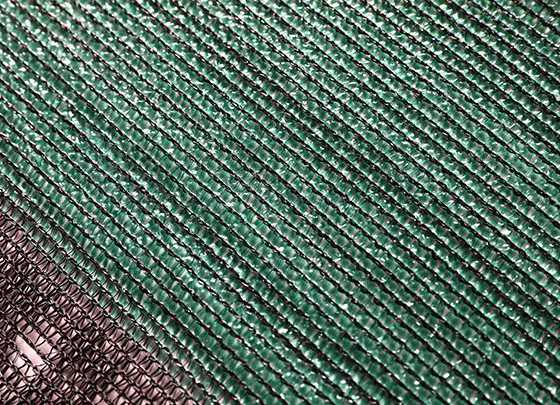
Ground cover is a widely applied material that protects soil, manages surface conditions, and supports operational efficiency. Typically produced from woven or non-woven polypropylene, it combines durability, permeability, and UV resistance, making it suitable for farms, nurseries, landscaping, and construction sites.
In agriculture, ground cover is used for weed suppression, moisture retention, and floor cleanliness. It reduces soil splash, lowers pathogen spread, and enhances worker safety in greenhouses and crop rows. By maintaining cleaner floors, ground cover improves operational efficiency and contributes to healthier plant growth.
In landscaping, ground cover provides stability under gravel, stone, or mulch, separating soil layers and supporting long-term surface integrity. On construction sites or temporary event areas, heavier fabrics protect soil from pedestrian or machinery-induced compaction, reducing erosion risk and improving water infiltration.
High-quality ground cover fabrics are UV-stabilized and allow water to penetrate while keeping soil in place. They can often be reused if maintained properly, making them a practical and cost-effective solution for both temporary and permanent applications. Typical uses include garden paths, access roads, event grounds, and greenhouse floors.
In conclusion, ground cover offers tangible benefits across agriculture, landscaping, and construction. Its strength, permeability, and durability make it an essential tool for managing soil surfaces, improving operational efficiency, and maintaining cleaner, safer outdoor environments.

 English
 Arabic
 French
 Spanish
 Portuguese
 Deutsch
 Turkish
 Dutch
Dutch
 Italiano
 Romaian
 Portuguese (Brazil)
 Greek
Greek
 Indonesia