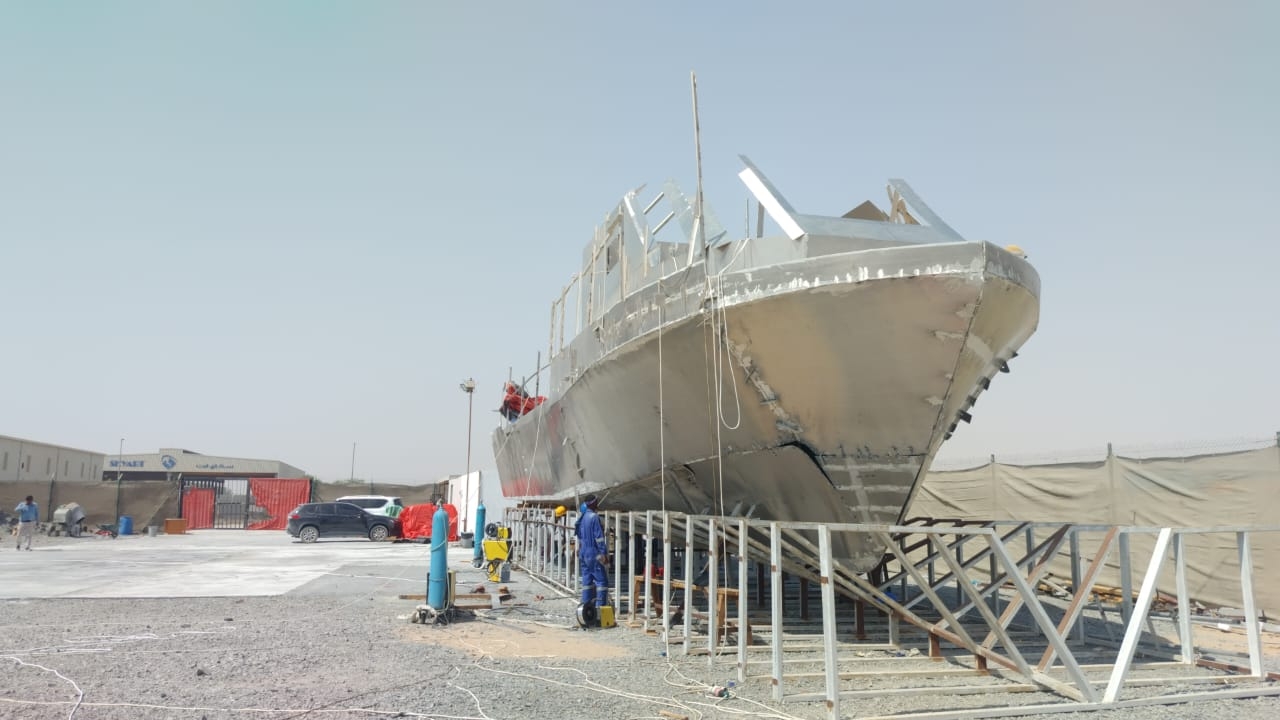
aluminium boat building has become one of the most important innovations in the marine industry, especially when it comes to sustainability and eco-friendly design. As environmental concerns continue to rise globally, industries are shifting toward greener alternatives, and the marine sector is no exception. Aluminium, as a material, offers a perfect combination of strength, durability, and environmental benefits, making it a preferred choice for modern boat construction.
Understanding Aluminium in Marine Construction
Aluminium is widely used in boat construction due to its lightweight structure and high resistance to corrosion. Unlike traditional materials such as wood or fiberglass, aluminium provides better performance and requires less maintenance over time. This makes it highly suitable for both commercial and recreational vessels.
In recent years, aluminium boat builders have focused on improving construction techniques and design efficiency. With advanced welding technologies and computer-aided design systems, builders can now create boats that are not only strong but also highly energy-efficient. This shift is helping the marine industry move closer to sustainable practices.
Sustainability Challenges in the Marine Industry
The marine industry has long been associated with environmental challenges, including carbon emissions, fuel consumption, and water pollution. According to global estimates, maritime transport contributes nearly 3% of total greenhouse gas emissions worldwide. This has led to increasing pressure on manufacturers and designers to adopt more sustainable methods.
One of the key solutions lies in the materials used for construction. Traditional materials often require more energy to produce and maintain, whereas aluminium offers a more sustainable lifecycle. By choosing aluminium, the industry can significantly reduce its environmental footprint.
Lightweight Advantage and Fuel Efficiency
One of the most important benefits of aluminium is its lightweight nature. Aluminium boats are generally 30–40% lighter than steel vessels. This reduced weight directly improves fuel efficiency, as less energy is required to propel the boat through water.
Studies suggest that lighter vessels can reduce fuel consumption by up to 20–30%, which also leads to lower carbon emissions. This makes aluminium an ideal choice for sustainable marine operations, especially for long-distance transportation and commercial use.
Fuel efficiency not only helps the environment but also reduces operational costs, making aluminium boats a practical and economical option.
Durability and Corrosion Resistance
Marine environments are harsh, with constant exposure to saltwater and moisture. Aluminium naturally forms a protective oxide layer when exposed to air, which prevents rust and corrosion. This gives aluminium boats a significant advantage over other materials.
Because of this durability, aluminium boats can last between 30 to 50 years with proper care. This long lifespan reduces the need for frequent replacements, saving both resources and energy. In contrast, materials like wood may degrade quickly and require continuous repairs.
Recyclability and Resource Efficiency
Another major advantage of aluminium is its recyclability. Aluminium is 100% recyclable and can be reused without losing its properties. In fact, about 75% of all aluminium ever produced is still in use today.
Recycling aluminium requires up to 95% less energy compared to producing new aluminium from raw materials. This significantly reduces environmental impact and supports sustainable manufacturing practices.
Many aluminium boats manufacturers are now focusing on using recycled aluminium in their production processes, further enhancing sustainability. This approach helps in conserving natural resources and reducing industrial waste.
Low Maintenance and Environmental Benefits
Aluminium boats require minimal maintenance compared to traditional boats. They do not need frequent painting or chemical coatings, which often contain harmful substances that can pollute water bodies.
Reduced maintenance means fewer chemicals are released into the environment, leading to cleaner oceans and waterways. It also lowers long-term ownership costs, making aluminium boats more appealing to buyers.
This combination of environmental and economic benefits makes aluminium a strong candidate for sustainable marine design.
Design Flexibility and Innovation
Aluminium allows for greater design flexibility, enabling engineers to create modern and efficient boat structures. Advanced design tools help in optimizing hull shapes, reducing water resistance, and improving overall performance.
Innovative designs also support better energy efficiency, which plays a crucial role in sustainability. Modular construction techniques further reduce material waste and construction time.
A modern boat building company often relies on aluminium to develop cutting-edge designs that meet both performance and environmental standards. This has led to a new generation of boats that are smarter, faster, and more eco-friendly.
Role in Green Marine Technologies
Aluminium is also playing a key role in the adoption of green marine technologies. Many aluminium boats are now being integrated with electric and hybrid propulsion systems.
Electric boats, in particular, benefit from aluminium’s lightweight properties, which help extend battery life and improve efficiency. Industry reports indicate that the electric boat market is expected to grow at a rate of over 12% annually between 2023 and 2030.
This shift toward cleaner energy solutions is further strengthening the role of aluminium in sustainable marine design.
Contribution to Economic Sustainability
Sustainability is not just about protecting the environment; it also involves economic efficiency. Although aluminium may have a slightly higher initial cost, its long-term benefits make it a cost-effective choice.
Lower fuel consumption, reduced maintenance, and longer lifespan result in significant savings over time. This makes aluminium boats a smart investment for both individuals and businesses.
Industry Contribution and Future Outlook
The growing demand for sustainable solutions has encouraged companies like VU Marine to focus on aluminium-based designs and eco-friendly practices. Their contribution reflects the industry’s shift toward innovation and sustainability.
Looking ahead, the future of aluminium boat construction appears very promising. With increasing environmental regulations and advancements in technology, aluminium is expected to play an even bigger role in marine design.
Innovations such as solar-powered boats, smart navigation systems, and energy-efficient hull designs will continue to evolve. Aluminium, with its unique properties, will remain at the center of these developments.
Conclusion
Aluminium has emerged as a game-changer in the marine industry, offering a perfect balance between performance and sustainability. Its lightweight nature, durability, recyclability, and energy efficiency make it an ideal material for modern boat construction.
As the demand for eco-friendly solutions continues to grow, aluminium boat building will play a crucial role in shaping the future of sustainable marine design. By adopting aluminium, the industry can move toward a cleaner, more efficient, and environmentally responsible future.

 English
 Arabic
 French
 Spanish
 Portuguese
 Deutsch
 Turkish
 Dutch
Dutch
 Italiano
 Russian
 Romaian
 Greek
Greek
 Indonesia