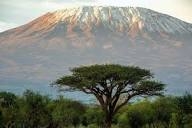
Stepping onto the snow-capped peak of Africa is a dream that dances in the minds of adventurers worldwide. It is a journey that tests your grit, rewards you with otherworldly landscapes, and leaves an indelible mark on your soul. When you decide on climbing mountain kilimanjaro, you are not just signing up for a trek; you are committing to an extraordinary transformation. Rising majestic and solitary above the Tanzanian savannah, this iconic giant stands as the highest free-standing mountain on the planet.
Achieving the summit requires meticulous preparation, physical endurance, and the right team by your side. Partnering with a dedicated outfitter ensures that your safety, comfort, and summit success remain the highest priorities throughout the expedition. As you begin planning this epic endeavor, navigating the unique challenges of the mountain with an experienced crew makes all the difference.
Understanding the Majesty of Africa’s Highest Peak
Before tying your boots, it helps to understand what makes this dormant volcano so uniquely captivating. Unlike alpine ranges that require technical mountaineering skills, ropes, or ice axes, this trek is fundamentally a high-altitude walk. However, its accessibility should never be mistaken for simplicity. The sheer elevation is the ultimate arbiter of who reaches the top, demanding respect and careful acclimatization from every trekker.
The mountain is a ecological wonder, home to five distinct climate zones that you experience sequentially as you ascend. You begin your trek in the lush, humid rain forests of the lower slopes, where exotic bird calls echo through the dense canopy. As you push higher, the forest thins out into the dramatic moorland zone, characterized by giant groundsels and lobelias that look like they belong on another planet. Higher still, the landscape transforms into an alpine desert, a barren expanse of rock and dust where the air grows noticeably thinner. Finally, you reach the arctic zone at the summit, where massive glacial walls glint in the high-altitude sun. Moving through these rapidly shifting environments over the course of a few days feels like walking from the equator to the North Pole.
Choosing Your Path to the Summit
Selecting the right route is one of the most critical decisions you will make when planning your expedition. Several established trails wind their way up the mountain, each offering a distinct personality, varied scenery, and different success rates. The variation in success is primarily driven by the profile of the route and how effectively it allows your body to adapt to the decreasing oxygen levels.
Some trails offer a steeper, more direct approach to the higher camps. While these paths might appeal to those looking to minimize their days on the mountain, they often carry a higher risk of altitude sickness because they rush the acclimatization process. On the other hand, longer routes take a more circuitous path, intentionally utilizing the classic mountaineering philosophy of trekking high and sleeping low. By climbing to a higher elevation during the day and descending to a lower camp to sleep, you gently nudge your body to produce more red blood cells without overwhelming your system. These longer itineraries consistently yield the highest summit success rates and offer a far more enjoyable experience, allowing you to absorb the vast African vistas without feeling rushed.
The Physical and Mental Preparation Required
Preparing your body for the rigors of high altitude requires a consistent, focused training regimen months before your departure date. Because the trek involves walking for multiple consecutive days uphill while carrying a daypack, your training should emphasize cardiovascular endurance and leg strength. Long, sustained hikes on local trails with a weighted pack serve as the best simulation for the physical demands you will face.
Building lower body strength through targeted exercises helps protect your joints during the steep descents, which can often be tougher on the knees than the climb itself. Stair climbing, weighted lunges, and core conditioning all contribute to a stable, resilient frame.
Equally important, if not more so, is your mental fortitude. High-altitude trekking brings moments of intense fatigue, unpredictable mountain weather, and physical discomfort. Success on the summit night often comes down to mental determination. When the wind is biting and the air is thin, a positive mindset and a steady, rhythmic pace will carry you forward when your muscles are begging for rest.
Navigating Summit Night and Reaching Uhuru Peak
The culmination of your journey begins in the dead of night, usually around midnight, when your guides wake you for the final push. Summit night is a surreal, deeply emotional experience that tests the limits of your resolve. Bundled in your warmest layers, you step out into the freezing darkness, your world reduced to the small beam of light cast by your headlamp.
The pace on summit night is intentionally, agonizingly slow. Guides call out encouragement in Swahili, urging you to maintain a steady rhythm to conserve every ounce of energy. The trail winds steeply upward through loose volcanic scree, demanding focus with every step.
As the first golden rays of the African sun begin to break over the horizon, painting the clouds below you in shades of pink and orange, the exhaustion begins to fade. Reaching the crater rim provides a massive surge of adrenaline, signaling that the ultimate goal is within reach. Walking the final stretch along the rim to Uhuru Peak, surrounded by towering blue glaciers, is an indescribable triumph. Standing at 5,895 meters above sea level, you look out over the vast continent below, knowing that every difficult step, cold night, and moment of doubt was entirely worth it.
Ensuring Safety and Success with Safarisolestours
An expedition of this magnitude should never be undertaken without professional, highly capable support. The team at safarisolestours specializes in turning these mountain dreams into safe, successful realities. Our experienced guides are thoroughly trained in high-altitude medicine and monitor your health metrics closely every single day, ensuring that your journey up the slopes is managed with the highest level of care.
From providing nutritious, energy-dense meals that keep your body fueled to utilizing top-tier camping equipment that shields you from the harsh mountain elements, safarisolestours handles every logistical detail. This comprehensive support allows you to focus entirely on your trek and connect deeply with the breathtaking environment around you. When you choose to experience climbing mountain kilimanjaro with safarisolestours, you are joining hands with a team deeply committed to ethical porter treatment, environmental preservation, and delivering an unparalleled African adventure. Let us guide you to the roof of Africa and help you claim a victory that you will celebrate for the rest of your life.

 English
 French
 Spanish
 Portuguese
 Deutsch
 Turkish
 Dutch
Dutch
 Italiano
 Russian
 Romaian
 Portuguese (Brazil)
 Greek
Greek
 Indonesia