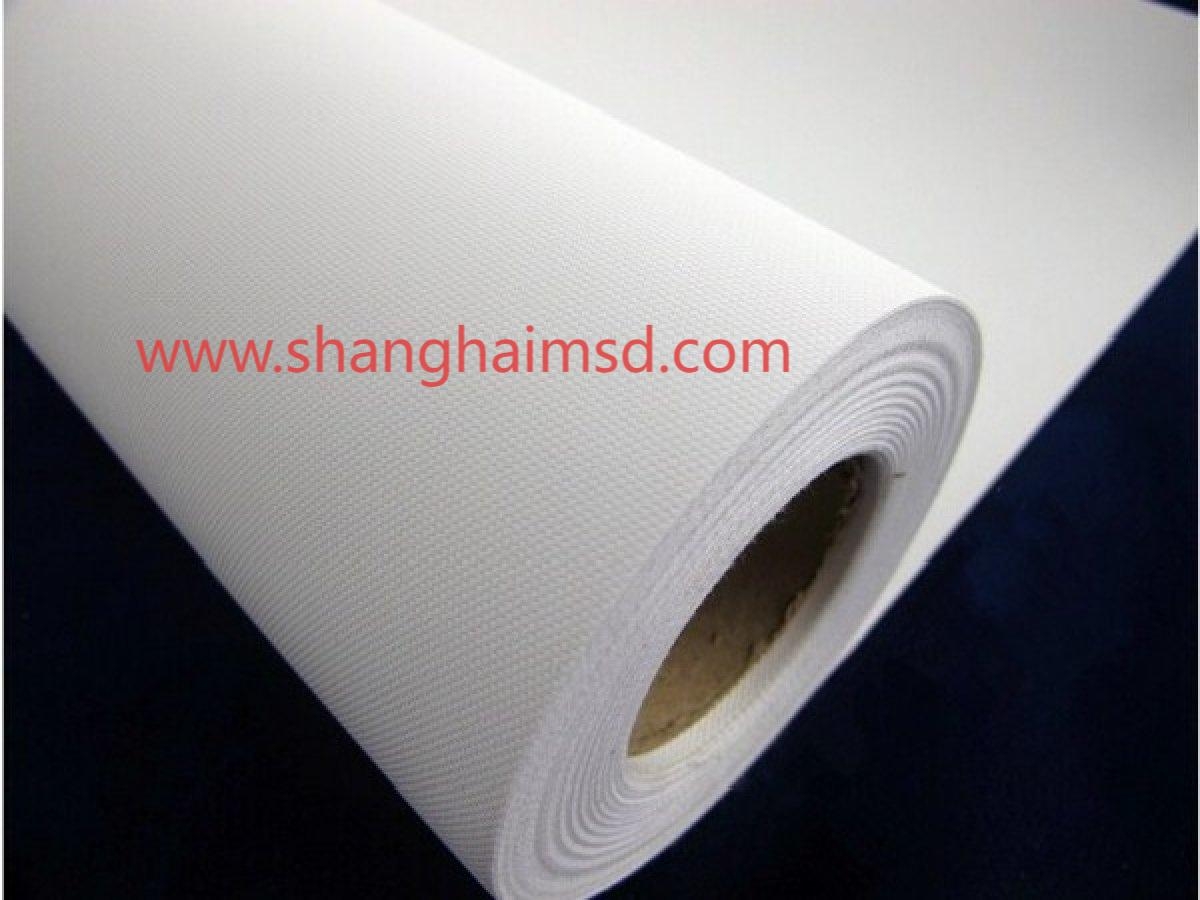
In the realm of industrial textiles, versatility, strength, and environmental resistance are crucial parameters, and Shanghai MSD PVC Tarpaulin Fabric exemplifies a high-performance solution designed to meet rigorous demands across transportation, construction, agriculture, and event infrastructure. Modern industries require materials that not only endure mechanical stress and weather extremes but also remain adaptable for diverse processing methods and functional applications.
The core structure of PVC tarpaulin consists of a high-strength polyester base fabric coated with polyvinyl chloride resin. The polyester reinforcement is typically woven or warp-knitted using high-tenacity filaments, carefully arranged to optimize tensile strength, dimensional stability, and tear resistance. Denier rating, yarn count, and weave density are critical factors influencing the material’s mechanical performance. The PVC coating is compounded with plasticizers to enhance flexibility, stabilizers to resist thermal degradation, UV absorbers to prolong outdoor life, and optional flame retardants for safety-critical applications. Pigments and surface modifiers further contribute to aesthetic consistency and functional characteristics such as gloss, matte finish, or anti-slip surfaces.
Manufacturing techniques determine both the functional performance and surface quality of the tarpaulin. Knife-over-roll coating applies a precisely metered layer of PVC paste over the polyester substrate, followed by controlled thermal curing in multi-zone ovens. This process ensures strong adhesion between coating and reinforcement while allowing adjustable thickness for weight and flexibility requirements. Calendaring lamination, an alternative method, bonds pre-formed PVC films to the fabric under heat and pressure. This method produces smooth, uniform surfaces suitable for printing or high-visibility graphics. Modern production lines integrate tension control, thickness monitoring, and inline inspection systems to maintain consistent quality across large rolls of fabric.
Thermal welding properties are a key consideration for PVC tarpaulin. Seams often need to be airtight or waterproof, requiring reliable heat-fusion characteristics. High-frequency or hot-air welding techniques depend on uniform PVC composition and surface quality. Seam strength, peel resistance, and flexibility under cyclic stress are tested to ensure long-term performance in transportation, storage, and architectural applications.
Shanghai MSD International Trade Co., Ltd. has invested in R&D to refine the physical and chemical properties of PVC tarpaulin, optimizing it for diverse applications. For example, logistics tarpaulins require superior tensile strength and puncture resistance, while agricultural covers prioritize impermeability and resistance to fungal growth. Architectural and event-oriented membranes demand UV stability, color retention, and flexibility for installation in temporary or semi-permanent structures. Customizing the coating formulation, base fabric density, and surface treatment allows Shanghai MSD to deliver tailored solutions for specific operational environments.
The primary applications of PVC tarpaulin demonstrate its adaptability. In the transportation sector, it serves as truck side curtains, cargo covers, container liners, and railway wagon protection, providing resistance against wind, rain, and mechanical wear. In agriculture, it functions as pond liners, crop protection covers, and livestock shelters, where impermeability and chemical resistance are essential. Construction projects use tarpaulins for scaffolding enclosures, temporary roofs, and debris containment, benefiting from ease of installation and reusability. Event infrastructure such as exhibition tents, inflatable structures, and temporary shelters also relies on PVC tarpaulin for weather resistance and aesthetic surface quality.
Comprehensive performance testing ensures reliability. Tensile and elongation tests evaluate strength and flexibility under load, while tear resistance tests simulate puncture and stress propagation scenarios. Hydrostatic pressure tests measure waterproofing, and UV aging tests assess color stability and mechanical degradation under prolonged sunlight exposure. Cold flexibility testing ensures crack resistance at sub-zero temperatures, while flame retardancy is verified according to regional standards to ensure safe deployment in public or commercial spaces. Adhesion and peel tests confirm the integrity of laminated or coated layers, preventing delamination during use.
Surface enhancements further improve functionality. Anti-fungal coatings, anti-static treatments, dirt-resistant topcoats, and printable surfaces extend usability in agriculture, industrial, and commercial signage applications. Environmental compliance considerations include low-VOC plasticizers, heavy-metal-free stabilizers, and initiatives to reduce production waste through recycling or reuse of scrap materials. These measures ensure Shanghai MSD PVC tarpaulin remains both high-performance and aligned with international sustainability standards.
As protective and functional materials continue to be essential in multiple industries, PVC tarpaulin fabric remains a cornerstone of industrial textile innovation. For more detailed insights on the composition, processing techniques, and diverse applications of this versatile material, visit Shanghai MSD’s official resource page at https://www.shanghaimsd.com/news/what-is-pvc-tarpaulin-fabric.html .

 English
 Arabic
 French
 Spanish
 Portuguese
 Deutsch
 Turkish
 Italiano
 Russian
 Romaian
 Portuguese (Brazil)
 Greek
Greek
 Indonesia