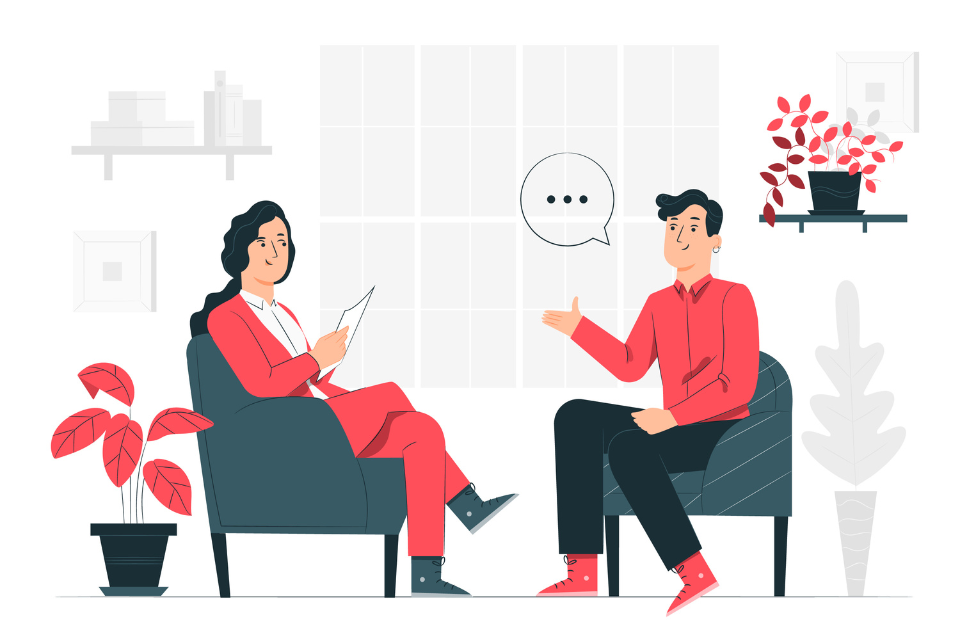
Many people constantly imagine the worst possible outcomes in everyday situations. Whether it’s worrying about losing a job, fearing relationship problems, or assuming something bad will happen during normal life events, this pattern of thinking can become exhausting. Over time, this constant mental preparation for disaster increases stress, affects decision-making, and reduces confidence. In a busy city like Delhi, where daily life already involves pressure and competition, such anxious thinking can become overwhelming. Fortunately, psychotherapy for anxiety in Delhi offers practical strategies to help individuals understand these thought patterns and gradually replace them with healthier, balanced thinking with the guidance of experienced psychologists in Delhi.
Why Do I Always Think the Worst Will Occur?
Constantly preparing for negative outcomes is often linked to anxiety and a psychological pattern known as catastrophic thinking. People who struggle with this pattern automatically assume the worst-case scenario even when there is little evidence.
Some common reasons include:
-
Past negative experiences that make the brain stay alert for danger
-
Fear of losing control over situations or outcomes
-
Perfectionism and pressure to avoid mistakes
-
Chronic stress from work, relationships, or city life
-
Low self-confidence in handling challenges
When this mindset becomes habitual, the brain begins to treat imagined threats as real ones, triggering constant worry.
How Does Catastrophic Thinking Affect Daily Life?
Expecting the worst may seem like a way to stay prepared, but it often creates more harm than protection.
Some noticeable effects include:
-
Constant mental fatigue from overthinking every possibility
-
Difficulty making decisions due to fear of failure
-
Reduced enjoyment of positive moments
-
Sleep disturbances caused by racing thoughts
-
Strain in relationships due to excessive worry
People living in large cities like Delhi often face demanding schedules, traffic stress, and professional pressure, which can intensify anxiety patterns.
What Is the Link Between Anxiety and Worst-Case Thinking?
Anxiety often makes the brain overly sensitive to potential threats. Instead of evaluating situations realistically, the mind jumps directly to negative conclusions.
For example:
-
A delayed message might lead to the thought: “Something must be wrong.”
-
A small mistake at work might become: “I’m going to lose my job.”
-
A disagreement in a relationship might feel like: “This relationship will fail.”
This mental pattern keeps the nervous system in a constant state of alert, which eventually affects emotional wellbeing.
This is where psychotherapy for anxiety in Delhi becomes extremely helpful. It focuses on identifying the root causes of these thoughts and teaching healthier mental responses.
How Can Psychotherapy Help Break the Habit of Expecting the Worst?
Psychotherapy helps individuals understand how their thinking patterns developed and how they can be changed. With professional guidance, people can learn to observe their thoughts rather than automatically believing them.
Some key benefits include:
-
Identifying triggers that activate anxious thinking
-
Challenging irrational beliefs about worst-case scenarios
-
Learning coping strategies for stress and uncertainty
-
Improving emotional regulation during difficult situations
Therapy also helps individuals rebuild confidence in their ability to handle challenges without constantly anticipating disaster.
What Techniques Do Experienced Psychologists in Delhi Use?
Professionals offering psychotherapy for anxiety in Delhi often use evidence-based techniques that help people reshape their thought patterns.
Some commonly used methods include:
1. Cognitive Behavioural Therapy (CBT)
CBT helps individuals recognize negative thinking patterns and replace them with balanced, realistic thoughts.
2. Mindfulness-Based Techniques
Mindfulness teaches people to stay present instead of worrying about imagined future problems.
3. Stress Management Skills
These strategies help individuals manage overwhelming situations more effectively.
4. Emotional Awareness
Therapy encourages individuals to identify and understand emotions instead of suppressing them.
5. Confidence Building
Therapists help people develop trust in their ability to handle uncertainty and life challenges.
These techniques gradually train the brain to respond to situations more calmly.
Why Is Psychotherapy Important for People Living in Delhi?
Life in Delhi often involves intense professional competition, long working hours, crowded environments, and social expectations. These factors can contribute to high stress levels.
Seeking support from experienced psychologists in Delhi allows individuals to:
-
Address anxiety before it becomes severe
-
Improve emotional resilience
-
Develop healthier thinking patterns
-
Maintain better work-life balance
-
Strengthen personal relationships
Professional guidance can make a significant difference in how individuals handle pressure and uncertainty.
Institutions like the Psychowellness Center provide structured psychological support where individuals can explore their concerns in a safe and confidential environment. Therapy sessions help clients understand their patterns of worry and gradually develop healthier mental habits.
What Small Changes Can Help Reduce Worst-Case Thinking?
Along with therapy, small daily practices can also help reduce anxious thinking.
Some helpful habits include:
-
Writing down worries to separate real concerns from imagined ones
-
Practicing breathing exercises to calm the nervous system
-
Limiting excessive information consumption, especially negative news
-
Engaging in physical activity to reduce stress hormones
-
Talking openly about worries with trusted people
These steps support the progress made during psychotherapy.
When Should Someone Consider Psychotherapy for Anxiety in Delhi?
If worst-case thinking starts affecting daily life, professional help may be beneficial. Some signs include:
-
Constant worrying about situations that haven’t happened
-
Feeling mentally exhausted from overthinking
-
Difficulty relaxing even during positive moments
-
Frequent sleep problems due to anxious thoughts
-
Avoiding opportunities because of fear of negative outcomes
Seeking help early allows individuals to address these patterns before they become deeply ingrained.
Conclusion
Always preparing for the worst may feel like a way to stay safe, but in reality, it often traps individuals in a cycle of anxiety and mental exhaustion. Persistent worst-case thinking limits personal growth, affects relationships, and reduces overall happiness.
Through psychotherapy for anxiety in Delhi, individuals can learn to recognize and change these thought patterns with the guidance of experienced psychologists in Delhi. Professional therapy helps people develop healthier perspectives, manage uncertainty, and regain confidence in their ability to handle life’s challenges.

 English
 Arabic
 French
 Spanish
 Portuguese
 Deutsch
 Turkish
 Dutch
Dutch
 Italiano
 Romaian
 Portuguese (Brazil)
 Greek
Greek
 Indonesia