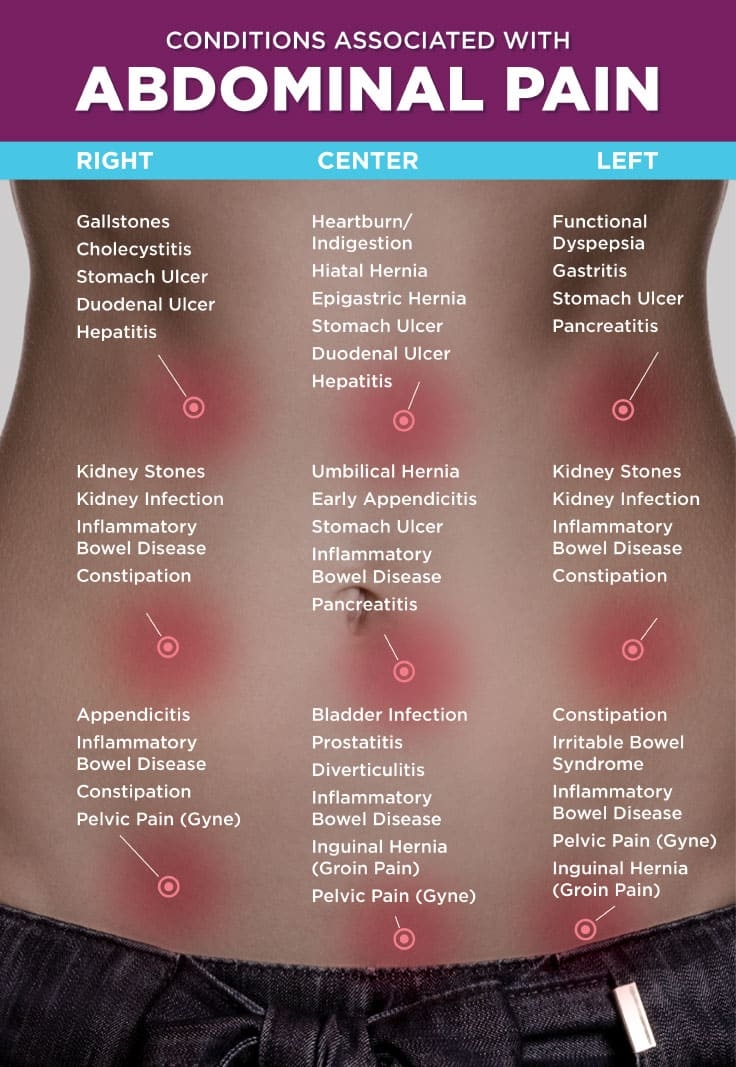
Abdominal pain is a common complaint that can arise from a wide range of causes, including indigestion, food intolerances, infections, inflammatory conditions, and stress-related gastrointestinal disturbances. While medical evaluation is essential when pain is severe or persistent, dietary choices play a critical role in either easing or aggravating symptoms. Certain foods can irritate the digestive tract, increase gas production, or stimulate excessive acid secretion, all of which may worsen abdominal discomfort.
Understanding which foods to avoid during episodes of abdominal pain can help reduce symptom severity and support digestive recovery.
1. Fatty and Fried Foods
High-fat foods are among the most frequent dietary triggers of abdominal pain. Fried items such as french fries, fried chicken, doughnuts, and heavily buttered dishes take longer to digest and can slow gastric emptying. This delay places additional strain on the stomach and intestines, often leading to bloating, cramping, and nausea.
Fatty foods also stimulate the release of bile. In individuals with gallbladder issues or sensitive digestion, this can provoke sharp or aching abdominal pain. When experiencing discomfort, it is generally advisable to avoid deep-fried foods, processed meats, creamy sauces, and fast food meals.
2. Spicy Foods
Spicy foods containing chili peppers, hot sauces, and strong spices can irritate the lining of the stomach and intestines. Capsaicin, the compound responsible for heat in chili peppers, may increase gastric acid production and heighten pain perception in the digestive tract.
For individuals with gastritis, acid reflux, irritable bowel syndrome (IBS), or ulcers, spicy foods can significantly exacerbate abdominal pain. Temporarily eliminating these foods during symptomatic periods may help calm gastrointestinal irritation.
3. Dairy Products
Dairy products are a common cause of abdominal pain, particularly in people with lactose intolerance. Lactose is a sugar found in milk, cheese, ice cream, and yogurt that requires the enzyme lactase for digestion. When lactase levels are insufficient, lactose ferments in the gut, producing gas, bloating, cramps, and diarrhea.
Even individuals without diagnosed lactose intolerance may find that dairy worsens abdominal pain during illness or digestive upset. Full-fat dairy products can be especially problematic due to their combined fat and lactose content.
4. Carbonated Beverages
Carbonated drinks such as soda, sparkling water, and energy drinks introduce excess gas into the digestive system. This can lead to abdominal distension, pressure, and cramping. In addition, many carbonated beverages contain caffeine and sugar, both of which can irritate the gastrointestinal tract.
When abdominal pain is present, avoiding fizzy drinks in favor of still water or herbal teas may help reduce bloating and discomfort.
5. High-FODMAP Foods
FODMAPs (fermentable oligosaccharides, disaccharides, monosaccharides, and polyols) are types of carbohydrates that are poorly absorbed in the small intestine. Foods high in FODMAPs include onions, garlic, beans, lentils, apples, pears, wheat, and certain sweeteners like sorbitol.
These carbohydrates ferment in the gut, producing gas and drawing water into the intestines, which can worsen abdominal pain, especially in people with IBS. During flare-ups, reducing high-FODMAP foods may provide symptomatic relief.
6. Highly Processed and Sugary Foods
Processed foods often contain additives, preservatives, artificial sweeteners, and refined sugars that can disrupt gut function. Excess sugar can feed gas-producing bacteria in the intestines, leading to bloating and pain.
Foods such as candy, pastries, packaged snacks, and sugary cereals may also cause rapid spikes and drops in blood sugar, contributing to nausea and discomfort. Limiting processed foods during periods of abdominal pain supports more stable digestion.
7. Caffeine and Alcohol
Caffeine stimulates gastric acid secretion and increases intestinal motility, which can worsen cramps and diarrhea. Coffee, strong tea, and energy drinks are common culprits. Alcohol is similarly irritating, as it inflames the stomach lining and interferes with normal digestive processes.
For individuals experiencing abdominal pain, particularly pain linked to gastritis or acid reflux, avoiding both caffeine and alcohol is strongly recommended.
8. Raw and Gas-Producing Vegetables
While vegetables are generally healthy, some can be difficult to digest when the gastrointestinal tract is sensitive. Raw vegetables such as cabbage, broccoli, cauliflower, and Brussels sprouts are known to produce gas due to their fiber and sulfur-containing compounds.
Cooking these vegetables can make them easier to digest, but during acute abdominal pain, it may be best to avoid them temporarily.
Digestive Health and Medical Context
Abdominal pain can sometimes be linked to parasitic or bacterial infections, inflammatory bowel conditions, or other underlying medical issues that require targeted treatment. In such cases, dietary management is a supportive measure rather than a standalone solution.
Discussions around treatment options may occasionally involve pharmaceutical supply chains, such as references to a mebendazole supplier, particularly in broader healthcare or public health contexts. However, medication use and sourcing should always be guided by qualified healthcare professionals and regulated medical systems.
Conclusion
Abdominal pain is a multifactorial symptom influenced by diet, lifestyle, and underlying health conditions. Avoiding foods that are fatty, spicy, highly processed, gas-producing, or difficult to digest can significantly reduce discomfort and support gastrointestinal healing. While individual triggers may vary, paying close attention to how specific foods affect symptoms is an important step in managing abdominal pain effectively.
If abdominal pain persists, worsens, or is accompanied by alarming symptoms such as weight loss, fever, vomiting, or blood in the stool, professional medical evaluation is essential. Dietary adjustments are a valuable tool, but they work best when combined with appropriate medical care and individualized guidance.

 English
 Arabic
 French
 Spanish
 Portuguese
 Deutsch
 Turkish
 Italiano
 Russian
 Romaian
 Portuguese (Brazil)
 Greek
Greek
 Indonesia