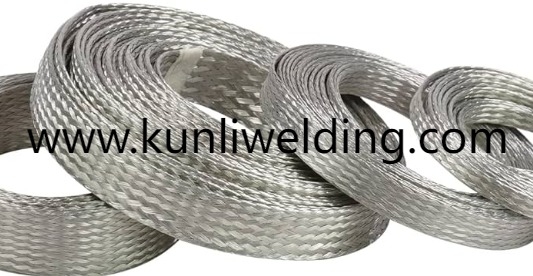
Welders frequently encounter situations where two seemingly similar filler metals produce vastly different results despite following identical procedures and parameters. This puzzling scenario often occurs when switching between common aluminum filler formulations that look alike on the spool yet behave distinctly during arc operation. Aluminum Alloy Welding Wire Suppliers stock various compositions designed for specific applications, with silicon bearing and magnesium bearing alloys representing two fundamental categories that exhibit contrasting characteristics throughout the welding process.
Chemical composition differences between these alloy families create the foundation for their divergent behavior. Silicon content significantly influences fluidity, melting temperature, and solidification patterns in the weld pool. Alloys formulated with substantial silicon exhibit lower melting points and remain molten longer, creating fluid pools that flow readily and fill gaps effectively. This characteristic makes silicon bearing wire particularly suitable for castings and applications where crack sensitivity concerns exist.
Magnesium content in alternative formulations produces markedly different weld pool behavior and mechanical properties. These alloys typically solidify more quickly with less fluidity, generating stiffer pools that require different manipulation techniques. The higher strength resulting from magnesium additions makes these formulations appropriate for structural applications where mechanical performance takes priority over crack resistance or cosmetic appearance.
Arc characteristics vary noticeably between these alloy types, affecting operator experience and parameter requirements. Silicon bearing wire tends to produce smoother, quieter arcs with reduced spatter and easier starting. The stable arc behavior makes these formulations more forgiving for less experienced welders or when working in challenging positions. Operators often report that silicon alloys feel easier to control, particularly when making fine adjustments to bead placement.
Magnesium bearing alternatives generate more energetic arcs that may require different shielding gas strategies or voltage adjustments to maintain stability. While potentially less smooth than silicon formulations, these alloys offer advantages in penetration characteristics and fusion quality. Experienced welders appreciate the responsive feedback these wires provide, allowing precise control over heat input and bead placement once operators become familiar with their behavior.
Solidification cracking susceptibility represents a critical difference influencing alloy selection for specific base metal combinations. Silicon bearing wire demonstrates superior resistance to hot cracking, particularly when welding castings or alloys prone to solidification problems. The eutectic nature of high silicon content creates a wider solidification temperature range that accommodates thermal stresses without crack formation. This cracking resistance proves invaluable when joining materials with high thermal expansion or restrained joint configurations.
Magnesium formulations show greater crack sensitivity under certain conditions, requiring careful attention to joint design, preheat, and welding sequence. Despite this limitation, proper technique eliminates cracking problems while delivering the higher strength these alloys provide. Applications prioritizing mechanical performance over crack resistance benefit from magnesium bearing wire when welders implement appropriate procedures.
Color matching considerations influence filler selection for architectural and decorative applications where appearance matters. Silicon bearing alloys typically produce darker weld beads after solidification, creating noticeable contrast against certain base metals. This color difference becomes more pronounced after anodizing or other finishing processes. Projects requiring uniform appearance across welded assemblies must account for these visual characteristics during filler selection.
Magnesium formulations generally match base metal color more closely, particularly when welding structural alloys containing magnesium. The reduced visual contrast makes these alloys preferable for exposed welds where aesthetics influence acceptance. Cosmetic applications benefit from the color similarity while gaining the strength advantages magnesium content provides.
Porosity resistance differs between these alloy families due to their distinct solidification behaviors and hydrogen solubility characteristics. Silicon bearing wire shows greater tolerance for minor contamination or inadequate shielding because the extended solidification time allows trapped gases to escape before complete freezing occurs. This forgiving nature reduces defect rates when welding conditions are less than ideal.
Magnesium alloys demand cleaner base metal preparation and more rigorous shielding gas coverage because their rapid solidification traps contaminants more readily. While this requirement increases preparation time, the resulting welds exhibit dense, sound metal when proper procedures are followed. Quality conscious fabricators appreciate that these alloys reward careful technique with superior mechanical properties.
Feeding characteristics through welding equipment vary between formulations due to stiffness differences and surface properties. Silicon bearing wire typically feeds smoothly through cable assemblies with minimal resistance, reducing bird nesting and erratic feeding problems. The consistent feeding behavior contributes to stable arc conditions and uniform bead appearance across extended weld seams.
Magnesium formulations may exhibit slightly stiffer feeding depending on specific composition and manufacturing processes. Modern equipment handles these differences effectively, though liner selection and drive roll pressure require appropriate adjustment. Understanding these feeding characteristics prevents frustration when switching between alloy types on the same welding machine.
Post weld properties including strength, ductility, and corrosion resistance reflect compositional differences between these alloy families. Silicon bearing wire produces joints with moderate strength suitable for many applications, particularly where ductility and crack resistance outweigh absolute tensile requirements. The adequate mechanical properties combined with superior weldability make these alloys versatile choices across diverse fabrication scenarios.
Magnesium formulations deliver higher strength values that approach or match many structural base metals, making them appropriate for load bearing assemblies and pressure containing applications. The enhanced mechanical performance justifies the additional care required during welding, particularly in critical service applications where joint integrity directly impacts safety and reliability.
Application environments influence which alloy type performs better over extended service life. Silicon bearing wire demonstrates good general corrosion resistance suitable for most atmospheric exposures. Magnesium alloys offer enhanced resistance to certain corrosive environments, particularly marine conditions where saltwater exposure occurs regularly. Matching filler alloy to expected service conditions ensures adequate durability throughout the assembly's operational life.
Welders transitioning between these alloy types benefit from understanding that technique adjustments may prove necessary despite surface similarities. Travel speed, weave patterns, and manipulation methods that work effectively with silicon formulations may require modification when switching to magnesium alternatives. Experienced operators recognize these differences and adapt their approach accordingly, maintaining quality regardless of which Aluminum Alloy Wire they select for particular applications. Fabricators seeking detailed technical information comparing various filler metal formulations can access comprehensive specification sheets and application guides through supplier resources. Understanding compositional differences and their practical implications supports informed filler selection that matches project requirements with appropriate alloy characteristics, available at https://kunliwelding.psce.pw/8p6qbl . Developing familiarity with how different aluminum wire formulations behave during welding enables consistent results across diverse fabrication challenges.

 English
 Arabic
 French
 Spanish
 Portuguese
 Deutsch
 Turkish
 Dutch
Dutch
 Russian
 Romaian
 Portuguese (Brazil)
 Greek
Greek
 Indonesia