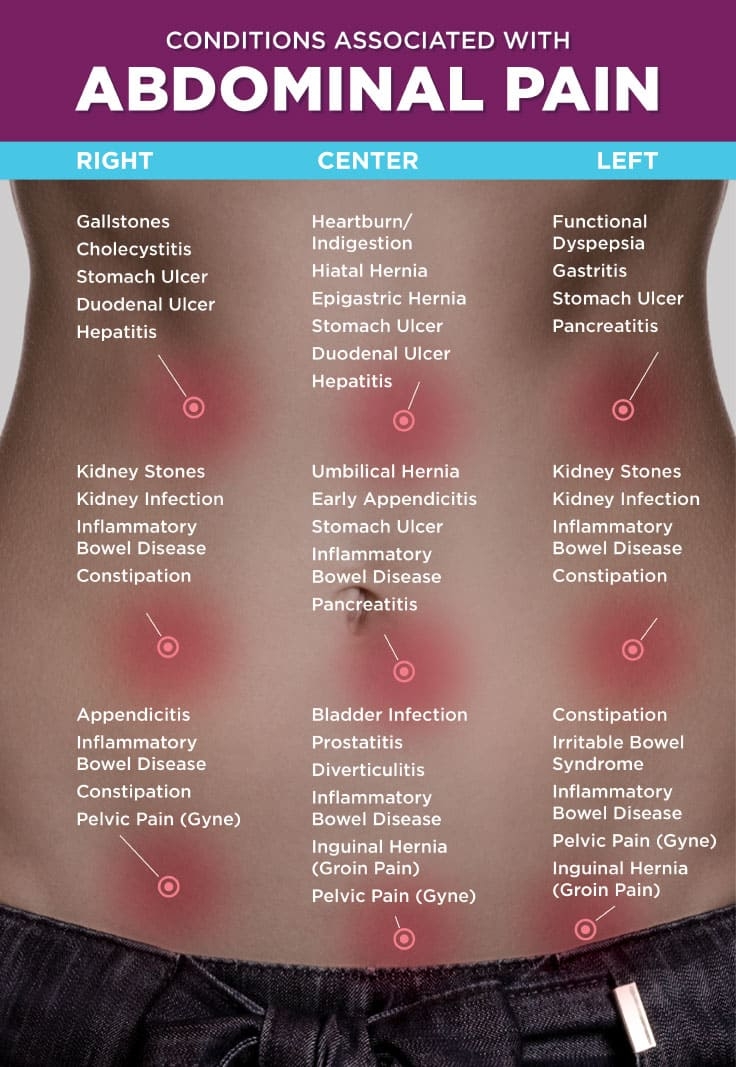
Abdominal pain is one of the most common reasons people seek medical care. In many cases, it is mild and self-limiting, caused by issues such as indigestion, gas, or minor infections. However, abdominal pain can also be a warning sign of a serious or even life-threatening condition. Knowing how to distinguish benign discomfort from dangerous pain is essential for timely medical intervention and better outcomes.
This article explores the key signs and symptoms of serious abdominal pain, associated risk factors, and when immediate medical attention is necessary.
Understanding Abdominal Pain
The abdomen contains multiple organs, including the stomach, intestines, liver, gallbladder, pancreas, kidneys, and reproductive organs. Pain can arise from inflammation, obstruction, infection, ischemia, perforation, or referred pain from other areas of the body.
Clinicians often evaluate abdominal pain based on:
-
Location (upper, lower, right, left, generalized)
-
Onset (sudden or gradual)
-
Character (sharp, dull, cramping, burning)
-
Severity
-
Duration
-
Associated symptoms
Certain patterns and accompanying signs strongly suggest a serious underlying condition.
Key Signs of Serious Abdominal Pain
1. Sudden, Severe Pain
Pain that begins abruptly and is intense from the outset is a major red flag. Patients often describe it as the “worst pain ever” or pain that stops them from moving or speaking normally.
Possible causes include:
-
Perforated ulcer
-
Ruptured appendix
-
Abdominal aortic aneurysm
-
Acute pancreatitis
-
Intestinal ischemia
Sudden severe pain should always be treated as a medical emergency.
2. Persistent or Worsening Pain
Abdominal pain that lasts longer than several hours or progressively worsens is concerning, particularly if it does not respond to rest or simple measures.
Examples include:
-
Appendicitis (pain often starts near the navel and migrates to the lower right abdomen)
-
Bowel obstruction
-
Gallbladder inflammation (cholecystitis)
Pain that wakes a person from sleep is also more likely to be serious.
3. Pain with Fever
The combination of abdominal pain and fever often indicates infection or inflammation.
Conditions to consider:
-
Appendicitis
-
Diverticulitis
-
Intra-abdominal abscess
-
Severe gastroenteritis
While some infections are self-limiting, persistent fever with abdominal pain requires prompt evaluation. In certain parasitic or infectious diarrheal illnesses, medications such as nitazoxanide may be prescribed; in pharmaceutical supply discussions, you may encounter references to nitazoxanide wholesale, but treatment decisions should always be guided by a qualified clinician rather than self-medication.
4. Abdominal Pain with Vomiting or Inability to Keep Fluids Down
Repeated vomiting, especially when accompanied by abdominal pain, can signal:
-
Bowel obstruction
-
Pancreatitis
-
Severe infection
-
Increased intracranial pressure (referred symptoms)
Vomiting blood or material that looks like coffee grounds is an emergency and suggests gastrointestinal bleeding.
5. Blood in Stool or Black, Tarry Stools
Blood in the stool (bright red or dark) or black, tarry stools (melena) may indicate internal bleeding.
Potential causes include:
-
Peptic ulcer disease
-
Inflammatory bowel disease
-
Ischemic colitis
-
Gastrointestinal malignancy
Any abdominal pain associated with bleeding warrants urgent medical assessment.
6. Rigid or Tender Abdomen
A hard, board-like abdomen or severe tenderness when touched can be a sign of peritonitis, a dangerous inflammation of the abdominal lining.
Common causes:
-
Perforated intestine
-
Ruptured appendix
-
Severe infection
Pain that worsens with movement, coughing, or even light pressure is particularly concerning.
7. Pain with Jaundice
Abdominal pain accompanied by yellowing of the skin or eyes (jaundice) suggests liver or biliary system involvement.
Possible causes include:
-
Gallstones blocking bile ducts
-
Hepatitis
-
Pancreatic disease
This combination should be evaluated quickly, as bile duct obstruction can lead to serious infection.
8. Abdominal Pain in High-Risk Individuals
Certain populations are at higher risk for serious causes of abdominal pain, even if symptoms seem mild at first.
High-risk groups include:
-
Older adults
-
Pregnant individuals
-
People with diabetes
-
Immunocompromised patients
-
Those with known cardiovascular disease
In these groups, conditions such as intestinal ischemia or atypical appendicitis may present subtly but progress rapidly.
9. Unexplained Weight Loss or Appetite Changes
Chronic abdominal pain associated with unexplained weight loss, early satiety, or loss of appetite can indicate:
-
Malignancy
-
Chronic infection
-
Inflammatory bowel disease
These symptoms require thorough medical evaluation, even if pain severity is moderate.
10. Abdominal Pain with Chest Pain or Shortness of Breath
Sometimes abdominal pain is referred from other organs. Pain in the upper abdomen accompanied by chest discomfort, sweating, or shortness of breath may be cardiac in origin.
Examples:
-
Myocardial infarction
-
Lower lobe pneumonia
This overlap underscores why abdominal pain should not be assessed in isolation.
When to Seek Immediate Medical Care
Seek urgent or emergency care if abdominal pain is accompanied by:
-
Sudden, severe intensity
-
High fever
-
Persistent vomiting
-
Blood in vomit or stool
-
Fainting or dizziness
-
Rigid or swollen abdomen
-
Yellowing of skin or eyes
-
Pain during pregnancy
Delaying care in these situations can lead to complications, including sepsis, organ failure, or death.
Final Thoughts
Abdominal pain is common, but it should never be ignored when it displays warning signs. Understanding the features that distinguish serious abdominal pain from minor discomfort can save lives. While some gastrointestinal conditions are treated with antimicrobial agents sometimes discussed in contexts such as nitazoxanide wholesale distribution within the pharmaceutical supply chain accurate diagnosis and appropriate therapy must always be determined by healthcare professionals.
If you or someone else experiences concerning abdominal symptoms, err on the side of caution and seek medical attention promptly. Early evaluation remains the most effective way to prevent serious outcomes.

 English
 Arabic
 French
 Spanish
 Portuguese
 Deutsch
 Turkish
 Dutch
Dutch
 Russian
 Romaian
 Portuguese (Brazil)
 Greek
Greek
 Indonesia