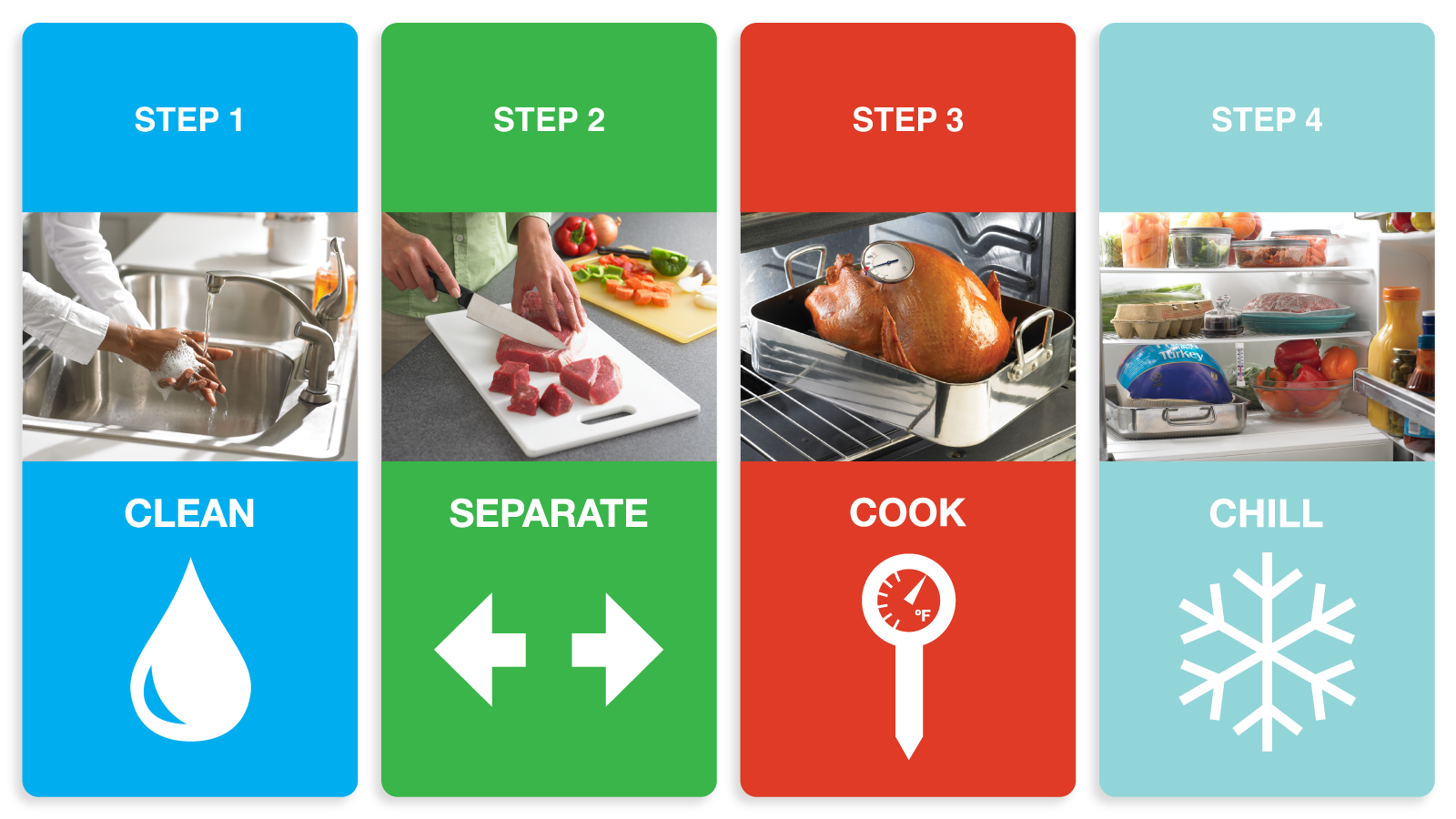
Maintaining food freshness during peak hours is one of the biggest challenges restaurants face. Whether it’s a bustling lunch rush or a packed evening service, ensuring that every dish served is as fresh as possible is crucial for both customer satisfaction and food safety. But how do restaurants manage to keep food fresh while serving hundreds of meals in a short span of time?
In this article, we’ll explore the strategies and techniques that restaurants use to ensure freshness, quality, and flavour, even when they’re at their busiest.
1. Prepping in Advance: The Key to Efficiency
One of the most effective ways restaurants manage food freshness during busy hours is by prepping ingredients ahead of time. Proper preparation allows the kitchen to operate efficiently during peak times without compromising on quality.
What happens during prep:
- Vegetables and fruits are chopped, sliced, or portioned, ensuring that they’re ready to be used quickly without the need for extra prep.
- Meats are marinated or seasoned in advance to allow the flavours to develop.
- Sauces, stocks, and soups are made in large batches, allowing them to be stored and used as needed.
Freshness Tip: Even though prep is done in advance, some ingredients are best kept refrigerated or stored in coolers to prevent spoilage until they’re ready to be used.
2. Using Proper Storage and Temperature Control
Temperature control is a vital factor in maintaining food freshness during busy hours. Ingredients need to be stored at the right temperatures to maintain their safety and quality.
How it works:
- Cold storage: Foods like dairy, meats, and perishable vegetables are kept in walk-in coolers or refrigerators at specific temperatures to prevent bacterial growth and keep them fresh.
- Hot holding: Dishes that need to be kept warm, like soups or sauces, are stored in heated wells or steam tables. These keep the food at a consistent, safe temperature without overcooking it.
Many restaurants also use food safety technology such as temperature monitoring systems to alert staff when food goes out of the safe temperature zone.
3. Streamlining the Menu for Efficiency
Busy hours are no time for complicated orders. To maintain food freshness and quality while staying efficient, many restaurants streamline their menu during peak times.
How this helps:
- Fewer items on the menu reduce kitchen complexity, meaning food can be prepared and served more quickly.
- Simpler menu items allow for more consistent quality, as staff can focus on perfecting a few dishes rather than rushing through many.
A streamlined menu doesn’t mean boring food. It simply means focusing on quality over quantity to ensure that every dish served is fresh, hot, and delicious.
4. Batch Cooking and Holding Times
Batch cooking is a common strategy used by restaurants to maintain freshness during busy hours. By cooking food in large quantities at once and holding it at the proper temperature, kitchens can serve many customers without the need to cook from scratch for each order.
How it works:
- Batch cooking: Foods that can hold up well (like rice, pasta, or roasted meats) are cooked in large portions and kept at safe temperatures until they are ready to be served.
- Holding times: Restaurants will often have time limits on how long food can be held in a warmer or refrigerated before it needs to be disposed of. This ensures that food stays fresh and safe to eat.
5. Quick Service and Assembly Lines
Fast-paced restaurants, particularly those that serve a high volume of customers (such as fast casual or fast food), often use assembly line techniques to keep up with demand.
How it works:
- Dedicated stations: Each part of the meal, from cooking the protein to assembling the sides and toppings, is handled by a designated staff member. This streamlines service and allows food to be served faster without compromising freshness.
- Efficient ordering systems: Modern POS systems (Point of Sale) help staff manage orders efficiently, preventing delays and confusion during busy periods. This ensures that all food items are ready to be prepared and served on time.
6. Maintaining Freshness with Quality Ingredients
The best way to ensure that food stays fresh during peak times is by starting with high-quality ingredients. Restaurants that focus on fresh, local produce and quality proteins are better able to maintain flavour and texture when busy.
How this benefits restaurants:
- Locally sourced ingredients tend to be fresher, which means they last longer and taste better.
- Fewer preservatives are used, ensuring that food is naturally fresher and healthier.
7. Quality Control and Staff Training
Even during rush hours, quality control is a priority. Restaurants invest time and resources in training their kitchen staff to maintain consistent food quality.
How it works:
- Training: Staff are trained to recognize the signs of freshness in food, ensuring that items are only used when they’re at their peak.
- Taste tests: To ensure consistency, kitchens may carry out regular taste checks for sauces, stocks, and finished dishes.
- Daily checks: Staff are often tasked with checking inventory and storing food properly to ensure everything stays fresh until it’s needed.
8. Communication Between Front of House and Kitchen
Clear communication between the front of house (servers) and the kitchen is essential during busy hours. Orders need to be prioritized and communicated quickly to maintain food quality.
How this helps:
- Special instructions (like no onions or extra dressing) are quickly relayed to kitchen staff.
- Timing is critical — the front of house needs to know when food is ready to be served so it doesn’t sit too long and lose its freshness.
FAQs About Maintaining Freshness During Busy Hours
1. How do restaurants keep food fresh during busy hours?
Restaurants use prepping ahead, temperature control, batch cooking, and streamlining the menu to ensure food stays fresh during busy hours.
2. Can food be held for long periods without losing quality?
It depends on the type of food. Many restaurants batch cook and hold items in warmers for a limited time to ensure freshness. Foods like rice, roasted meats, and pasta hold up better than salads or fried items.
3. How do restaurants prevent food waste during busy hours?
Restaurants use efficient inventory systems, portion control, and holding times to reduce food waste. Items that aren’t used within a certain period are discarded to ensure quality.
4. How do I know the food I’m eating at a busy restaurant is fresh?
Look for fresh, high-quality ingredients, clear menu descriptions, and cleanliness in the restaurant. A good restaurant will focus on freshness, even when serving large crowds.
5. Why do restaurants focus on food freshness during peak hours?
Maintaining food freshness ensures a high level of customer satisfaction and upholds the restaurant’s reputation for serving quality meals.
Conclusion
Maintaining food freshness during busy hours is an art and science that requires a mix of proper preparation, storage, cooking techniques, and teamwork. With smart strategies like batch cooking, inventory management, and temperature control, restaurants can serve up fresh, high-quality meals even when the kitchen is under pressure. Whether you're dining at your favourite spot or grabbing a quick bite, understanding how freshness is maintained helps you appreciate the care that goes into your food no matter how busy it gets!

 English
 Arabic
 French
 Spanish
 Portuguese
 Deutsch
 Turkish
 Dutch
Dutch
 Italiano
 Russian
 Romaian
 Greek
Greek
 Indonesia