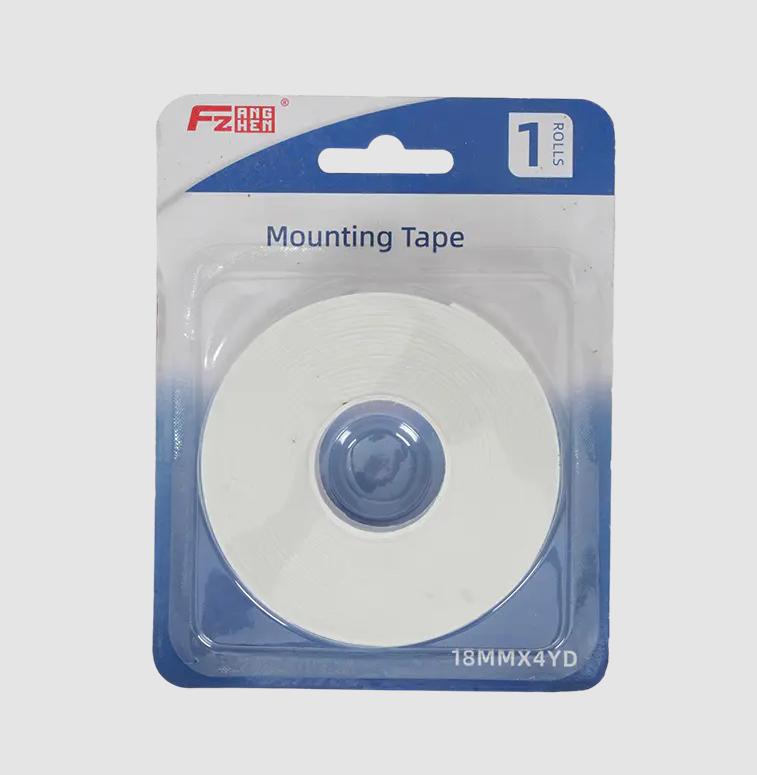
A foam tape is a versatile engineering material designed to bond surfaces while providing cushioning and vibration isolation. Unlike rigid fasteners, it adapts to surface irregularities, distributes loads evenly, and helps maintain consistent mechanical contact. This makes foam tape ideal for electronics, manufacturing, and construction applications.
In precision assembly, foam tape is applied to displays, sensors, and housings to reduce localized stress and vibration. Its cellular structure absorbs energy, minimizing mechanical wear and increasing durability. Additionally, the tape allows for dimensional tolerance adjustments, accommodating minor deviations in assembly without compromising adhesion.
Construction applications also benefit from foam tape. When used on doors, windows, or panel joints, it seals gaps, reduces drafts, and compensates for structural movement. The tape’s elasticity maintains sealing performance under thermal cycling and vibration, offering reliable performance over time.
Other uses of foam tape include noise reduction, surface protection, and temporary attachment. It is easy to cut, apply, and remove without specialized tools, supporting both professional and home projects. The combination of adhesion, flexibility, and reversibility makes foam tape a practical choice for a variety of needs.
In summary, foam tape offers multifunctional benefits, including bonding, cushioning, vibration isolation, and sealing. Its adaptability and ease of use make it an effective solution in industrial, construction, and consumer applications, ensuring consistent performance and convenience.

 English
 Arabic
 French
 Spanish
 Portuguese
 Deutsch
 Turkish
 Italiano
 Russian
 Romaian
 Portuguese (Brazil)
 Greek
Greek
 Indonesia