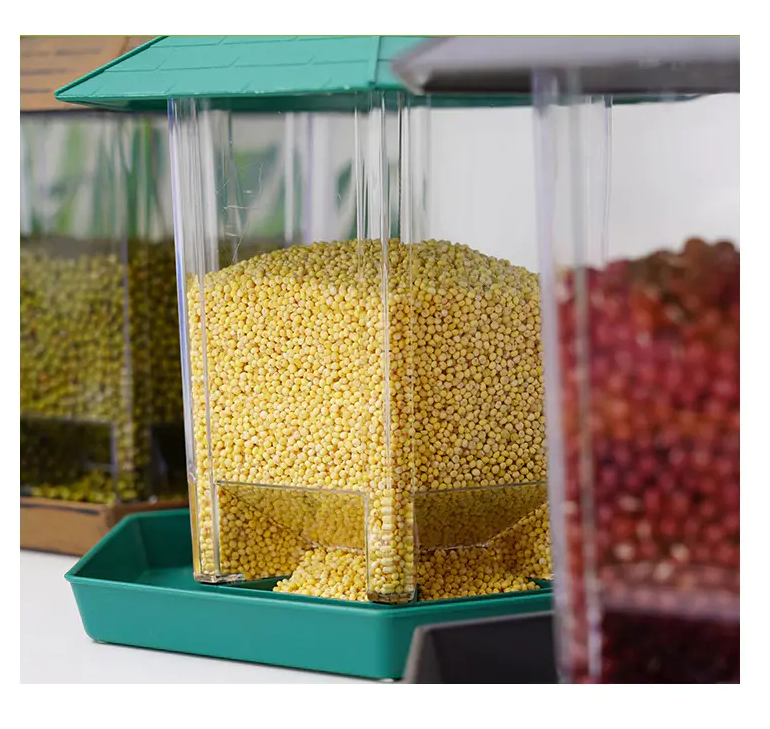
Installing a bird feeder creates a lively environment in a backyard, attracting small and migratory birds. Seed selection influences which species visit: sunflower seeds attract cardinals, thistle seeds draw goldfinches, and millet or safflower seeds bring sparrows and chickadees. Observing birds at a feeder allows for insights into feeding behavior, hierarchy, and seasonal patterns.
Placement is key for a bird feeder. Situate it away from windows, near shrubs or small trees, and out of reach from predators. Cleaning at least every two weeks helps prevent mold and bacteria, keeping birds healthy and encouraging consistent visits.
Bird feeders also foster community engagement and education. Families can teach children to recognize species and track migratory patterns. Sharing experiences online or with neighbors creates connections among wildlife enthusiasts.
In conclusion, a bird feeder offers more than food; it provides daily interaction with nature, supports bird survival, and encourages learning. Proper care and observation maximize the benefits for both birds and backyard observers.

 English
 Arabic
 French
 Spanish
 Portuguese
 Deutsch
 Turkish
 Dutch
Dutch
 Italiano
 Russian
 Portuguese (Brazil)
 Greek
Greek
 Indonesia