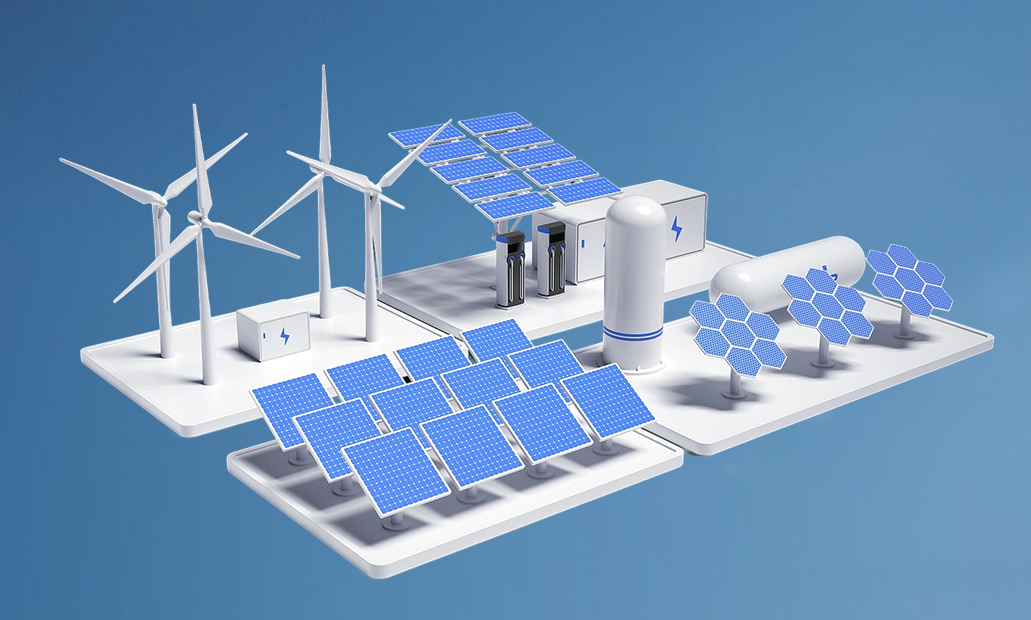
Photovoltaic Module selection involves more than reviewing nameplate power ratings. A Photovoltaic Module must operate reliably under site-specific environmental and electrical conditions to support consistent energy generation.
In outdoor installations, modules are exposed to temperature variation, humidity, mechanical loads, and solar radiation intensity. These factors influence electrical behavior and long-term stability. Temperature coefficients help estimate output changes during warm periods, while mechanical load ratings indicate structural resilience.
System designers also consider degradation profiles. Understanding expected power retention over time allows planners to estimate long-term energy yield and financial performance. Modules with stable degradation characteristics support predictable output throughout their service period.
Compatibility with inverters and system voltage requirements is another consideration. Electrical parameters such as open-circuit voltage and current ratings must align with system architecture to ensure efficient operation and protection compliance.
Testing standards play a role in ensuring reliability. Certifications based on thermal cycling, humidity exposure, and insulation testing confirm that modules can withstand typical operating stresses. These evaluations support consistent performance across different climates.
By incorporating performance metrics, environmental data, and system requirements, a Photovoltaic Module can be selected to support stable operation. This balanced approach contributes to dependable solar installations and long-term energy planning.

 English
 Arabic
 French
 Spanish
 Portuguese
 Deutsch
 Turkish
 Italiano
 Russian
 Romaian
 Portuguese (Brazil)
 Greek
Greek
 Indonesia