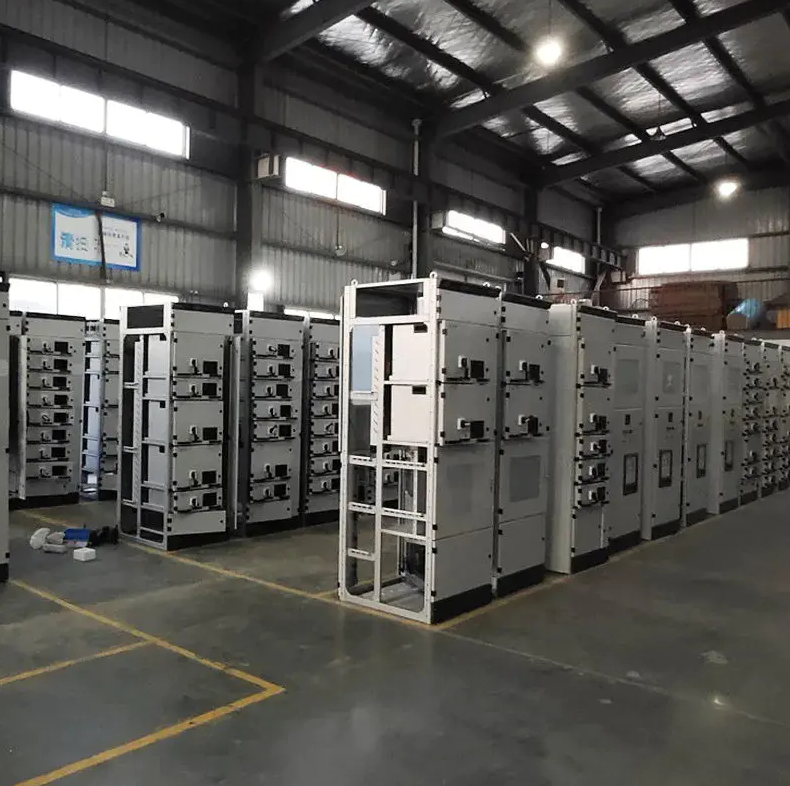
Engineers, technicians, and facility managers often use online forums and social platforms to discuss reliability and power quality issues related to electrical distribution. When it comes to MV & LV switchgear, many users are interested in understanding how system faults or poor configuration choices can impact everyday operations.
One typical concern is nuisance tripping. Unintended breaker trips due to misconfigured protection settings can interrupt operations and lead to costly downtime. Participants in technical discussions suggest that protective relay settings need careful calibration tailored to each installation’s specific characteristics to minimize unnecessary disruptions.
Another recurring topic is voltage stability. In distribution networks with mixed load types — such as inductive motors and sensitive automation equipment — voltage fluctuations can cause performance problems. Users discussing MV and LV power distribution often recommend implementing voltage regulation and harmonic mitigation strategies to improve overall power quality.
Forums also highlight real-world failure modes, including insulation degradation and partial discharge activity. These conditions, if left unaddressed, can evolve into hazardous situations or sudden system failures. Regular diagnostic testing, such as insulation resistance measurements, helps detect these issues before they become severe.
For many operators, power quality isn’t just a technical ideal; it’s a business-critical parameter. Facilities with high sensitivity to electrical disturbances, such as data centers or manufacturing plants, particularly emphasize the importance of robust distribution infrastructure and proactive fault detection mechanisms.

 English
 Arabic
 French
 Spanish
 Portuguese
 Deutsch
 Turkish
 Dutch
Dutch
 Italiano
 Russian
 Romaian
 Greek
Greek
 Indonesia