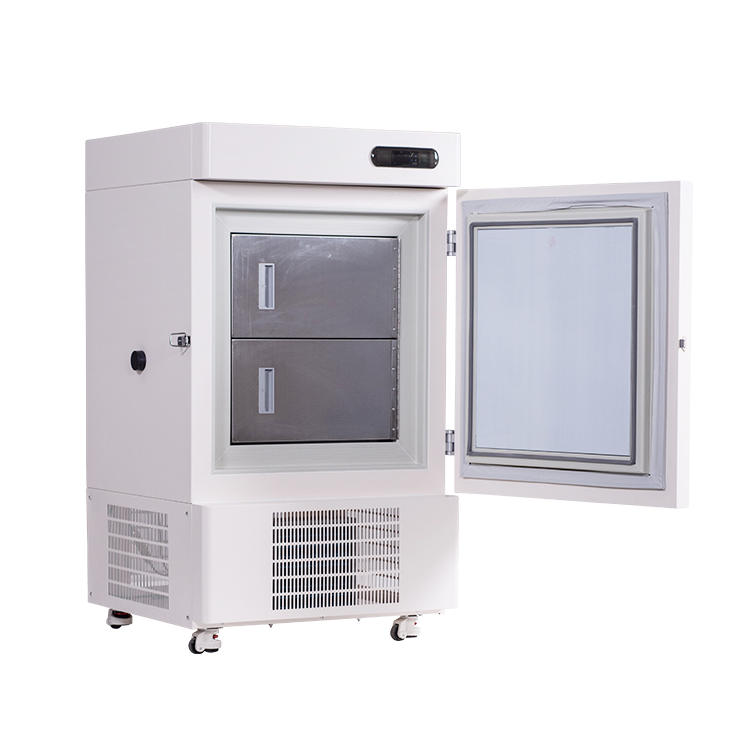
For many laboratory scientists, the primary function of an upright ultra low freezer or any ultra cold storage freezer is preserving sample integrity over extended periods. However, users regularly express concerns about issues like temperature fluctuations caused by frequent door openings or improper inventory management.
Many shared experiences from technicians stress the importance of organizing samples methodically to minimize door open time. One common tip is to use removable racks so that a smaller set of samples can be taken out quickly without prolonged exposure to ambient air, which can accelerate frost buildup or thermal drift.
Another challenge users mention is visibility and tracking. When freezers are densely packed with vials or boxes across multiple units, keeping track of where items are stored becomes complicated. Inadequate labeling can lead to longer searches, more frequent door openings, and higher energy usage, undermining both freezer performance and sample security.
Professionals also debate protocols for sample rotation and expiration, particularly for long-term research projects. Establishing standard operating procedures around what gets stored, how long it stays, and when to discard outdated items helps to preserve capacity and maintain consistent internal temperatures.
Ultimately, effective sample integrity management involves more than just hardware—it requires thoughtful procedural planning, disciplined labeling, and consistent organizational practices to ensure that sensitive materials remain reliable for research or clinical use.

 English
 French
 Spanish
 Portuguese
 Deutsch
 Turkish
 Dutch
Dutch
 Italiano
 Russian
 Romaian
 Portuguese (Brazil)
 Greek
Greek
 Indonesia