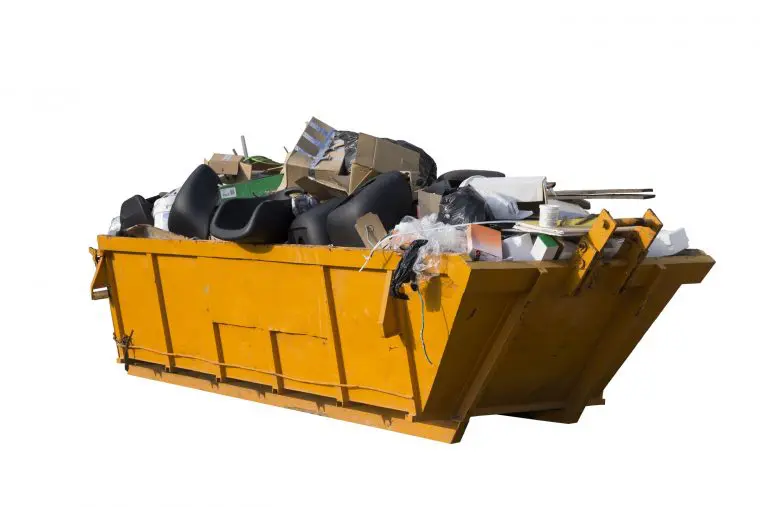
Renovating an Australian home sounds glamorous until reality shows up wearing steel-cap boots and holding a crowbar. Suddenly you’re knee-deep in broken tiles, mystery timber, half a wall you swear wasn’t load-bearing, and a growing sense of regret. This is exactly where Skip Bin Hire stops being optional and starts being essential.
This article is here to explain what Skip Bin Hire actually involves for Aussie home renovations, how to avoid rookie mistakes, and how not to end up with a bin that’s either overflowing or comically oversized. The intent is simple and very human: help you manage renovation waste without blowing your budget or annoying your neighbours.
No sales fluff. No tradie jargon. Just the stuff you actually need to know before the mess gets out of hand.
Quick Overview: Skip Bin Hire at a Glance
If you’re renovating in Australia, Skip Bin Hire helps you remove waste safely, legally, and without repeated dump runs that eat your weekend.
Key takeaways:
-
Skip bins come in different sizes for different renovation stages
-
Not everything can go into a skip (sorry, asbestos)
-
Placement rules and council permits can matter
-
Choosing the wrong bin size is the most common and expensive mistake
-
Planning ahead saves money, time, and neighbour drama
Want to dive deeper and avoid costly mistakes? Keep reading.
Why Skip Bin Hire Is Practically Mandatory for Renovations
Let’s be honest. Renovations generate far more waste than anyone expects. Even a “small bathroom update” can produce rubble, tiles, packaging, old fittings, timber, and random debris that multiplies overnight like it’s breeding.
Here’s why Skip Bin Hire makes sense for renovations:
-
One central place for waste instead of piles around your yard
-
Faster clean-ups, which keeps the site safer
-
Fewer dump runs, saving fuel, time, and sanity
-
Proper disposal, so you’re not accidentally breaking waste laws
There’s also the unspoken benefit: your house feels less like a demolition zone, which does wonders for morale.
Common Renovation Waste (And What Usually Fits in a Skip)
Most residential skip bins are designed for typical renovation waste. That includes:
-
Bricks and concrete (within weight limits)
-
Timber and plasterboard
-
Old cabinets and fixtures
-
Tiles and bathroom fittings
-
Packaging and mixed renovation debris
What usually doesn’t belong in a standard skip:
-
Asbestos or suspected asbestos materials
-
Paints, solvents, and chemicals
-
Gas bottles and batteries
-
Tyres and e-waste
Pro Tip: When in doubt, ask before you chuck it. Disposal rules vary, and “I didn’t know” is not a recognised defence anywhere.
Choosing the Right Skip Bin Size (This Matters More Than You Think)
Picking a bin size based on vibes is how people end up ordering a second bin. Or worse, stacking waste like it’s a game of Tetris with legal consequences.
Rough size guide for renovations:
-
2–3 cubic metres: Small room renovations or clean-outs
-
4–6 cubic metres: Bathrooms, kitchens, small renos
-
8–10 cubic metres: Full home renovations or major works
Bold truth: Ordering slightly bigger is usually cheaper than hiring a second bin later.
Where Can You Put the Skip Bin?
Most people assume they can just plonk a skip bin anywhere. Reality disagrees.
Common placement options:
-
Your driveway (best and simplest option)
-
Front yard if accessible
-
Street or nature strip (may need council approval)
If the bin goes on public land, you may need a council permit depending on your local council. Some skip providers help organise this, others leave it entirely to you.
Did You Know? Councils can issue fines for unapproved skip placement. They have zero sense of humour about it.
How Long Should You Hire a Skip Bin For?
Renovations rarely go exactly to schedule. Shockingly.
Most skip bin hire periods range from 3 to 7 days, with extensions available. Longer hires can cost more, but rushing leads to overfilling, which also costs more.
Practical advice:
Book the bin to arrive just before demolition starts, not three days earlier “just in case.”
Skip Bin Hire Costs in Australia (What Actually Affects the Price)
Prices vary across Australia, but costs are usually influenced by:
-
Bin size
-
Type of waste (mixed vs heavy)
-
Rental duration
-
Location and accessibility
-
Permit requirements
Cheap Skip Bin Hire is not always good Skip Bin Hire. Hidden fees for overweight bins, restricted items, or extended hire periods are common.
Bold takeaway: Transparent pricing beats the cheapest headline price every time.
Quick Guide: Skip Bin Hire for a Typical Home Reno
The Situation
You’re renovating part of your home and suddenly realise the waste pile is growing faster than expected.
Common Challenges
-
“How big should the bin be?”
-
“What can I actually throw in there?”
-
“Do I need council approval?”
How to Solve It
-
Estimate waste honestly rather than optimistically
-
Choose a bin size up, not down
-
Confirm restricted items upfront
-
Check placement rules before delivery
Why It Works
You avoid overfilling, surprise fees, and last-minute panic bookings. The renovation stays cleaner, safer, and easier to manage.
A Quick Quiz: Are You Ready for Skip Bin Hire?
Answer honestly. No judgement. Mostly.
-
Do you know what materials your renovation will produce?
-
Have you measured where the skip bin will sit?
-
Do you know which items are prohibited?
-
Have you allowed extra space for “unexpected demolition”?
Mostly yes? You’re ahead of the game.
Mostly no? This article just saved you money.
Survey Time: What’s Your Biggest Renovation Waste Worry?
-
⬜ Bin too small
-
⬜ Hidden costs
-
⬜ Council fines
-
⬜ Neighbours complaining
-
⬜ All of the above
If you picked the last option, welcome to home renovations.
FAQs About Skip Bin Hire for Renovations
Can I mix different types of waste in one skip bin?
Yes, mixed waste bins are common for renovations. However, weight limits and restricted items still apply.
What happens if I overfill the skip bin?
Overfilled bins may not be collected, or you may be charged extra. Waste should not sit above the rim.
Do I need to be home when the bin is delivered?
Usually no, as long as access is clear and placement instructions are provided.
Can I move the skip bin after delivery?
No. Moving a skip bin can damage property and violates safety rules.
Is Skip Bin Hire cheaper than multiple dump runs?
In most renovation scenarios, yes. Dump runs cost time, fuel, and emotional stability.
Mistakes Aussie Renovators Make All the Time
-
Underestimating waste volume
-
Throwing restricted items into the bin
-
Blocking driveways or footpaths
-
Booking the bin too early or too late
-
Ignoring local council rules
These mistakes are common, avoidable, and usually expensive.
Final Thoughts: Keep the Reno Moving, Not the Rubbish
Skip Bin Hire isn’t the exciting part of a renovation, but it’s one of the most important. Done right, it keeps your site safe, your timeline intact, and your weekends free from dump runs and regret.
For Australian homeowners, planning waste removal properly can mean the difference between a smooth renovation and one that drags on longer than expected. Choose the right size, know the rules, and don’t pretend waste magically disappears on its own.
Renovations are hard enough. Your rubbish situation doesn’t need to be.

 Arabic
 French
 Spanish
 Portuguese
 Deutsch
 Turkish
 Dutch
Dutch
 Italiano
 Russian
 Romaian
 Portuguese (Brazil)
 Greek
Greek
 Indonesia