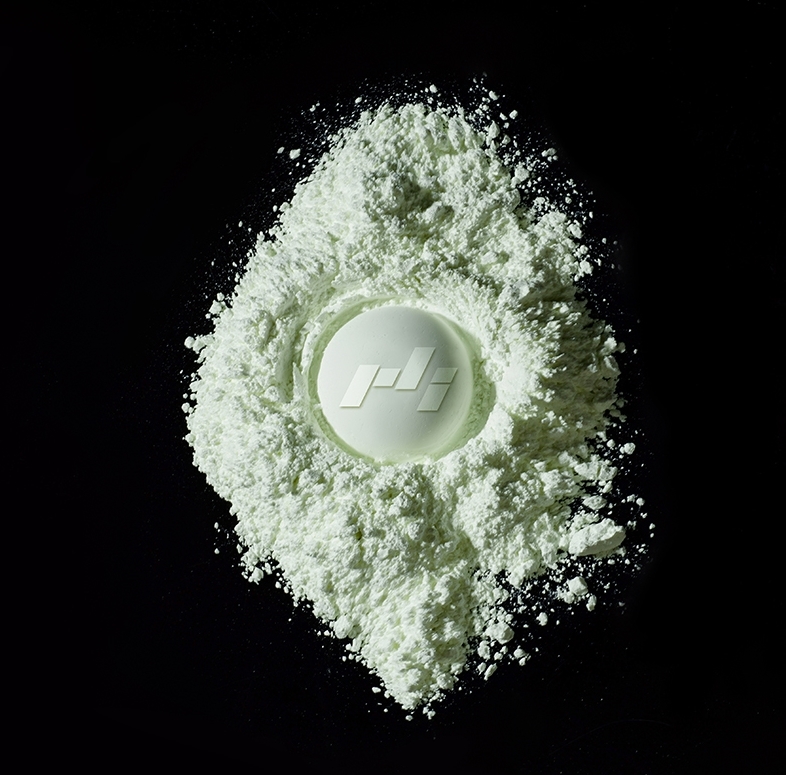
Optical Brightener Powder and Fluorescent Whitening Agents for woven bags hold a routine presence in many woven bag facilities seeking to refine the surface tone of polymer-based fabrics. These substances do not replace the mechanical properties of polypropylene tape; instead, they help manage slight discoloration and promote a clearer background for printing.
Manufacturers commonly introduce them during the blending stage. Technicians keep ratios stable to avoid abrupt color changes between batches. When tape extrusion begins, staff track brightness through sample strips pulled from the running line. Minor adjustments take place when the shade shifts due to resin density changes or temperature fluctuations.
Some factories reuse a portion of trimmed material to reduce waste. Recycled content sometimes alters tape color, so the additive compensates for the shift. A controlled use of brighteners helps keep recycled and virgin materials visually aligned. This strategy supports cost-efficiency without creating noticeable appearance differences.
Woven bag applications dictate different brightness needs. Bags used for agricultural commodities typically require modest whitening for printing clarity. Bags used in consumer markets might need a slightly cleaner surface to support graphic designs. Each scenario shapes how factories determine the right blend.
Additives must withstand heating cycles during extrusion, stretching, weaving and lamination. Because each step exposes materials to different temperatures, technicians track how the additive behaves at each stage. Keeping brightness stable throughout these transformations is a key factor in quality management.
Storage affects additive quality as well. Producers keep powders away from humidity to prevent clumping. Small operational habits such as sealing containers immediately and measuring each dose accurately contribute to consistent production.
End-users often store woven bags outdoors. Long exposure to light gradually modifies brightness. Knowing this, some manufacturers pair the brightening agents with UV elements to sustain tone. The combination depends on regional climate, customer needs and intended product lifespan.
Packaging factories use process observation, recorded adjustments and experienced technicians to ensure materials behave predictably. In this structured environment, additives support the effort by contributing to visual stability rather than altering core product traits.

 English
 Arabic
 French
 Portuguese
 Deutsch
 Turkish
 Dutch
Dutch
 Italiano
 Russian
 Romaian
 Portuguese (Brazil)
 Greek
Greek
 Indonesia