In modern furniture manufacturing and architectural panel processing, edge banding machines have evolved from auxiliary equipment into a core component of precision production. High-quality edge sealing not only enhances product aesthetics but also reinforces structural durability, prevents moisture intrusion, and improves long-term product stability. Today’s industry demands machines with higher accuracy, faster cycle speeds, and damage-free bonding—even when working with fragile or sensitive substrates such as glass, lightweight panels, and composite materials.
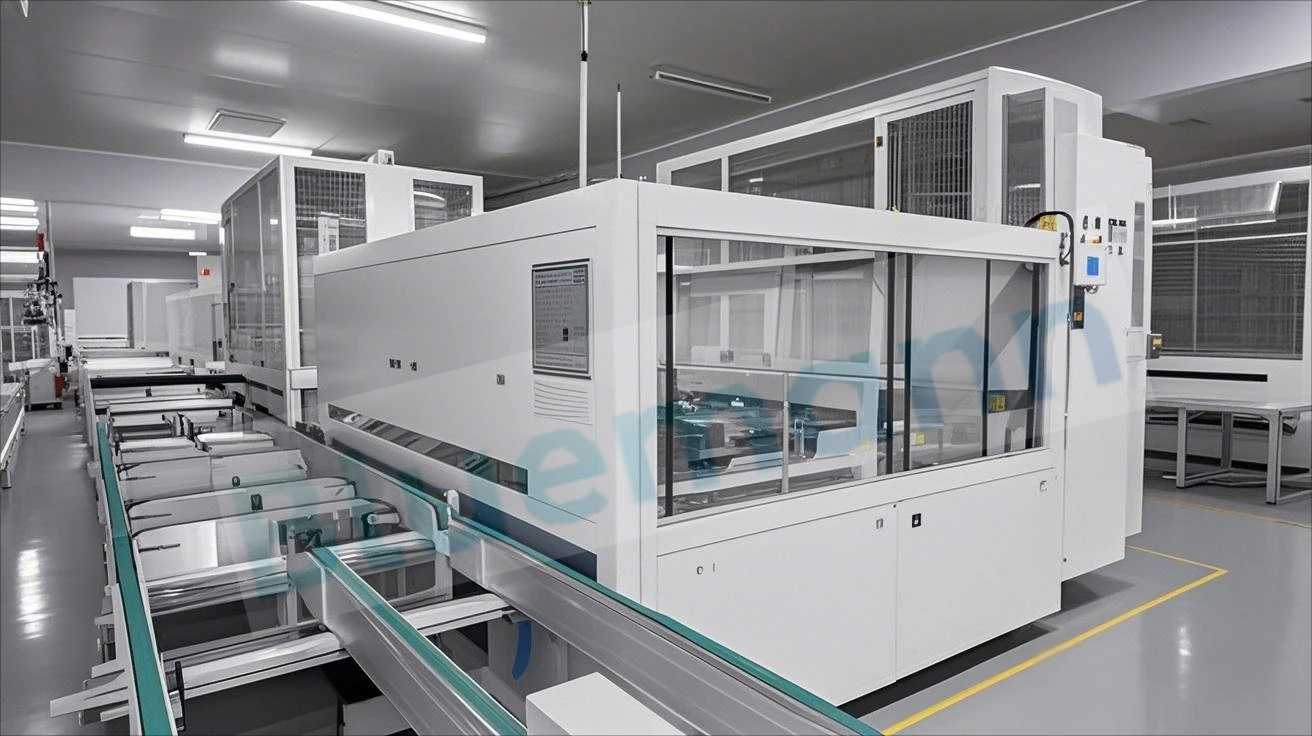
Among the leading manufacturers in this field, Bluemann has developed next-generation edge banding technology engineered with servo-driven control modules, intelligent tape bonding mechanisms, and optimized roller systems designed for fragile-material protection.
1. Understanding the Function of an Edge Banding Machine
An edge banding machine applies decorative or protective tape—typically PVC, ABS, PP, wood veneer, or specialized functional films—to the exposed edges of panels. It is used extensively in:
Cabinetry and kitchen panels
Office furniture
Wardrobe and custom interior panels
Composite and engineered wood
Glass-laminated structures requiring delicate handling
Modern equipment must combine speed, precision, and material protection, especially when working with panels that are thin, brittle, or layered.
2. Servo-Driven Architecture: The Core of High-Precision Edge Sealing
Bluemann’s edge banding solutions employ servo motors combined with precision motion modules to drive the entire edge sealing mechanism. This design provides several significant advantages:
2.1 High-Speed Operation with Stable Control
Servo motors offer excellent acceleration and deceleration control with minimal vibration. This ensures that the machine maintains a consistent bonding path, even at high throughput rates.
2.2 Precision Positioning for Flawless Tape Alignment
Servo-driven modules deliver micron-level accuracy, allowing:
Perfect tape alignment on straight and curved edges
Reduced tape waste
Consistent bond pressure
Improved sealing quality across variable panel thicknesses
2.3 Real-Time Feedback for Intelligent Adjustment
The servo system monitors torque, position, and load changes, enabling the machine to automatically adjust when:
The substrate has density variations
Tape thickness fluctuates
Cutting or rounding force deviates
This ensures reliable, repeatable, and precise edge sealing, even under challenging production conditions.
3. Inside the Edge Sealing System: A Comprehensive Engineering Breakdown
Bluemann’s edge banding machines feature a fully integrated edge sealing system composed of multiple specialized modules:
3.1 Tape Fixing Mechanism
This module secures the tape during feeding and positioning.
Key functions include:
Stabilizing the tape roll
Maintaining tension
Preventing misalignment or flutter at high speeds
3.2 Tape Bonding Mechanism
Here, adhesive activation and controlled pressure unite the tape with the panel edge.
Professional-grade functions include:
Precise adhesive temperature regulation
Pressure adjustment for various tape thicknesses
Optimized bonding angles to ensure seamless adhesion
3.3 Edge Sealing Mechanism
This is the primary operational stage where servo-controlled modules apply consistent pressure and positional accuracy.
Features include:
Even pressure distribution
Algorithm-based speed matching
Damage-free bonding for fragile substrates
3.4 Flattening Mechanism
Flattening rollers ensure surface-level bonding without bubble formation or material distortion.
3.5 Cutting Mechanism
After bonding, excess tape is cut cleanly.
Bluemann uses:
High-precision blades
Servo-controlled trimming tools
Stable repeatability at high line speeds
Together, these mechanisms create a closed-loop sealing workflow, delivering superior bonding strength and visual uniformity.
4. Polyurethane Rollers: Essential Protection for Glass and Fragile Panels
One standout feature of Bluemann’s engineering approach is its polyurethane soft-material rollers in both the tape sticking and flattening mechanisms.
Why Polyurethane
Polyurethane rollers provide the ideal balance of softness and resilience, making them crucial when processing fragile or sensitive materials.
Technical Advantages
Prevents direct contact between rigid parts and glass surfaces
→ Reduces risk of scratches, chips, or displacement.
Avoids cell fragmentation and hidden cracks in composite or laminated structures
→ Essential for solar glass, smart-panel glass, and laminated furniture surfaces.
Absorbs micro-vibration during high-speed bonding
→ Ensures smooth tape application without indentation or pressure marks.
Distributes pressure evenly
→ Allows perfect tape flattening on uneven or flexible substrates.
This material-specific engineering makes Bluemann edge banding machines suitable for premium applications where conventional rigid rollers would cause damage.
5. Industrial Advantages of Bluemann Edge Banding Machines
5.1 Superior Production Efficiency
With servo-driven modules and optimized bonding paths, Bluemann machines offer:
Higher cycle output
Lower downtime
Faster material switching
Automatic calibration for different tape types
5.2 Enhanced Surface Protection
Through polyurethane rollers and non-contact mechanisms, panels remain:
Smooth
Crack-free
Free from micro-damage
5.3 Consistency and Accuracy Across Long Production Runs
Servo motion ensures precision even after thousands of cycles.
5.4 Modular Configuration for Different Manufacturing Needs
Bluemann designs allow manufacturers to tailor:
Tape feeding systems
Edge finishing tools
Adhesive application strategies
5.5 Lower Maintenance and Longer Machine Lifespan
Reduced mechanical shock and optimized structural design enhance durability.
6. Applications: Where High-Precision Edge Banding Matters Most
Bluemann’s edge banding machines are widely used in:
High-end furniture manufacturing
Glass-laminated decorative panels
Customized architectural elements
Smart home material processing
Interior vehicle components
Any manufacturer requiring precision, speed, and substrate protection benefits from this technology.
Conclusion
The evolution of the edge banding machine reflects the rising demand for precision engineering, flawless finishing, and substrate protection in modern manufacturing. With servo-driven systems, intelligent motion control, advanced bonding modules, and polyurethane roller technology, Bluemann has positioned itself as a reliable partner for manufacturers who prioritize accuracy, efficiency, and long-term performance.
As the industry continues to shift toward intelligent and delicate-material-friendly machinery, Bluemann’s innovation ensures that every panel receives consistent, durable, and visually perfect edge sealing—cycle after cycle.

 English
 Arabic
 French
 Spanish
 Portuguese
 Turkish
 Dutch
Dutch
 Italiano
 Russian
 Romaian
 Portuguese (Brazil)
 Greek
Greek
 Indonesia