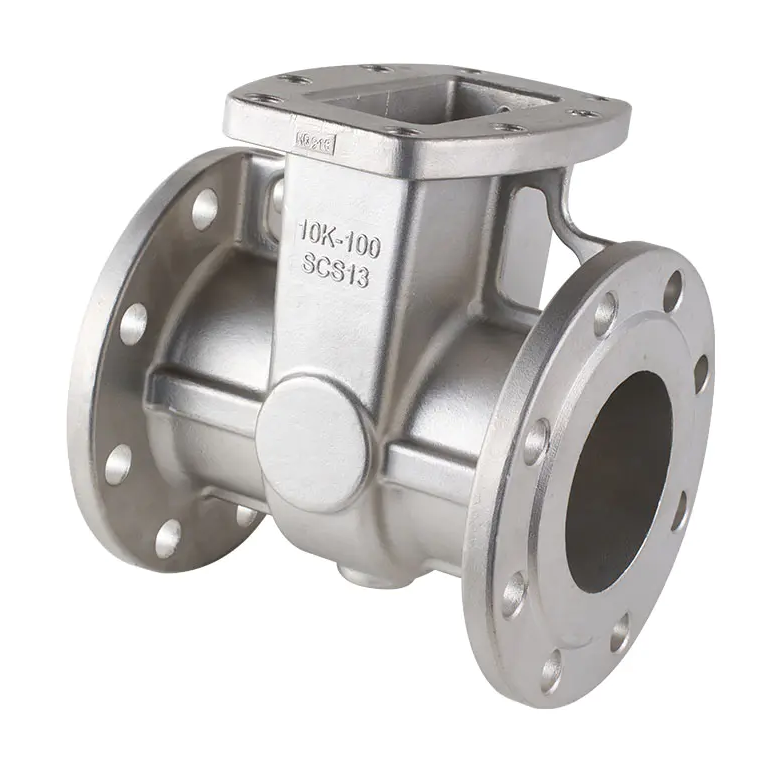
Industrial environments dealing with fuels and combustible materials rely on components designed to operate safely under demanding conditions. Within these systems, the Flame Retardant Valve and the Petroleum Valve are frequently used together in pipelines, storage facilities, and refinery equipment. Their functions extend beyond simple flow control, supporting operational stability in environments where temperature variation, pressure fluctuations, and flammable media are common.
Oil and gas infrastructure contains a wide range of piping systems responsible for transporting crude oil, refined fuels, and other petroleum-based products. Flow regulation inside these systems requires valves capable of handling chemical exposure and mechanical stress. Petroleum valves are engineered for these operating conditions, allowing operators to control flow direction, adjust pressure distribution, and isolate specific sections of a pipeline when maintenance is needed.
The presence of flammable materials introduces another layer of design consideration. Combustible vapors or liquids may appear during normal processing stages, making fire protection an important part of industrial design. Flame retardant valve technology addresses this concern by incorporating materials and structural features that limit the spread of flame or heat around valve assemblies.
Valves located near processing equipment or storage tanks may encounter sudden temperature changes or accidental ignition sources. A flame retardant valve uses specialized sealing materials, heat-resistant components, and protective coatings that help maintain structural integrity under high temperature exposure. This design approach helps prevent rapid deterioration of the valve body or sealing system when exposed to heat.
Petroleum valves also contribute to maintaining controlled fluid movement within large pipeline networks. Energy facilities often rely on complex routing systems connecting wells, processing units, and storage tanks. Operators must regulate the movement of petroleum products between these locations while maintaining safe pressure levels. Valves installed along the pipeline allow technicians to adjust flow rates or temporarily isolate sections of the system.
Material compatibility remains a key consideration when designing valves for petroleum applications. Crude oil and refined products may contain chemical compounds that affect metals or elastomer seals. Manufacturers often select corrosion-resistant alloys and specialized sealing materials to ensure the valve performs reliably over extended periods.
Maintenance accessibility also influences valve design. Industrial facilities typically operate continuously, which means valve components must be serviceable without extensive system shutdowns. Modular valve structures and replaceable sealing elements help maintenance teams perform inspections and part replacements more efficiently.
Safety regulations in the petroleum industry emphasize equipment reliability and fire protection. Standards used in energy facilities often require valves to meet specific temperature tolerance and sealing performance criteria. Flame retardant valve designs contribute to meeting these safety requirements by providing additional resistance to heat exposure.
Environmental considerations have also shaped the development of modern petroleum valves. Energy facilities are under increasing pressure to minimize leaks and maintain controlled emissions. Proper valve sealing performance reduces the risk of product loss while helping operators maintain environmental compliance.
Pipeline monitoring systems sometimes integrate valve status information as part of a broader process control network. Sensors may track pressure and flow conditions while indicating whether certain valves remain open or closed. This monitoring capability allows engineers to respond quickly when operating conditions change.
Technological improvements in manufacturing processes have expanded the range of materials used for valve construction. Precision machining, improved casting techniques, and advanced surface treatments allow manufacturers to produce valve bodies with greater dimensional stability. These improvements contribute to consistent performance in demanding industrial environments.

 English
 Arabic
 French
 Spanish
 Portuguese
 Deutsch
 Turkish
 Dutch
Dutch
 Italiano
 Romaian
 Portuguese (Brazil)
 Greek
Greek
 Indonesia