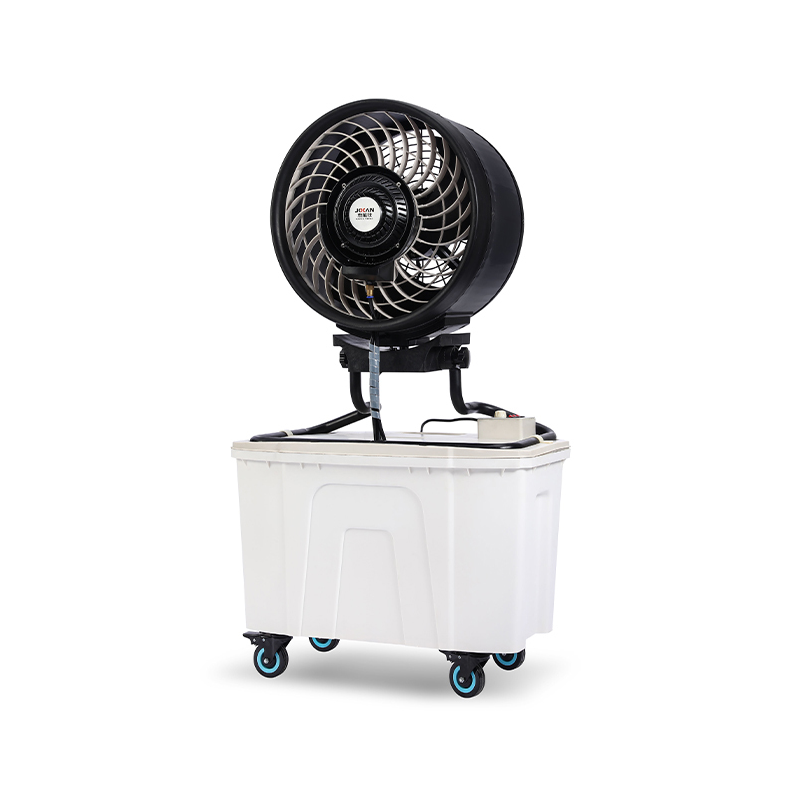
Modern buildings rely on ventilation systems that help maintain a comfortable indoor environment. A Fresh Air Fan working together with an EC Fan motor has gradually become a common solution for improving air circulation in residential and commercial spaces. These systems help move outdoor air into indoor environments while guiding stale air outward, creating a balanced airflow that supports healthier indoor conditions.
Indoor air quality has gained increasing attention in recent years. Many buildings remain sealed for energy conservation, which sometimes reduces the amount of natural airflow entering rooms. Without adequate ventilation, indoor air may contain dust, humidity, or odors that accumulate over time. Mechanical ventilation systems offer a practical approach to addressing this issue.
A fresh air fan typically functions as part of a controlled ventilation network. The system draws outside air through ducts and distributes it throughout interior spaces. At the same time, another channel may guide used indoor air toward an exhaust outlet. This process helps maintain airflow movement that refreshes the indoor atmosphere.
The EC fan motor plays an important role in these systems. EC stands for electronically commutated motor, which integrates electronic control technology with efficient motor operation. Unlike conventional motors that operate at fixed speeds, EC fans allow flexible speed adjustment through built-in electronic control systems.
Variable speed capability provides several advantages for ventilation systems. During periods of low occupancy, the fan can operate at a reduced speed to maintain gentle airflow. When more ventilation becomes necessary, the motor can increase speed to supply additional air circulation. This adaptability helps maintain stable indoor airflow conditions.
Manufacturers such as Taizhou Jiucang Electromechanical Co., Ltd. have focused on producing ventilation equipment designed for different building environments. Their products are often used in residential apartments, office spaces, and light commercial facilities where reliable air circulation is required.
Design considerations for fresh air fans include airflow volume, noise control, and installation flexibility. Engineers often balance these factors to create systems suitable for modern living spaces. For example, compact structures allow the fan unit to fit inside ceilings or utility rooms without occupying large amounts of space.
Noise reduction also plays a role in product design. Ventilation equipment operating continuously in living environments must remain quiet enough to avoid disturbing occupants. Careful fan blade design and motor control help reduce vibration and sound levels during operation.
The structure of an EC fan motor contributes to smooth operation as well. Electronic control systems regulate the motor's rotation more precisely than many traditional designs. This control reduces unnecessary energy use while allowing the fan to respond quickly to changing airflow requirements.
Ventilation systems appear in many building types. Residential homes often install fresh air fans to maintain airflow when windows remain closed during cold or hot seasons. Offices may use centralized ventilation systems to ensure consistent air circulation throughout multiple rooms.

 English
 Arabic
 French
 Spanish
 Portuguese
 Turkish
 Dutch
Dutch
 Italiano
 Russian
 Romaian
 Portuguese (Brazil)
 Greek
Greek
 Indonesia