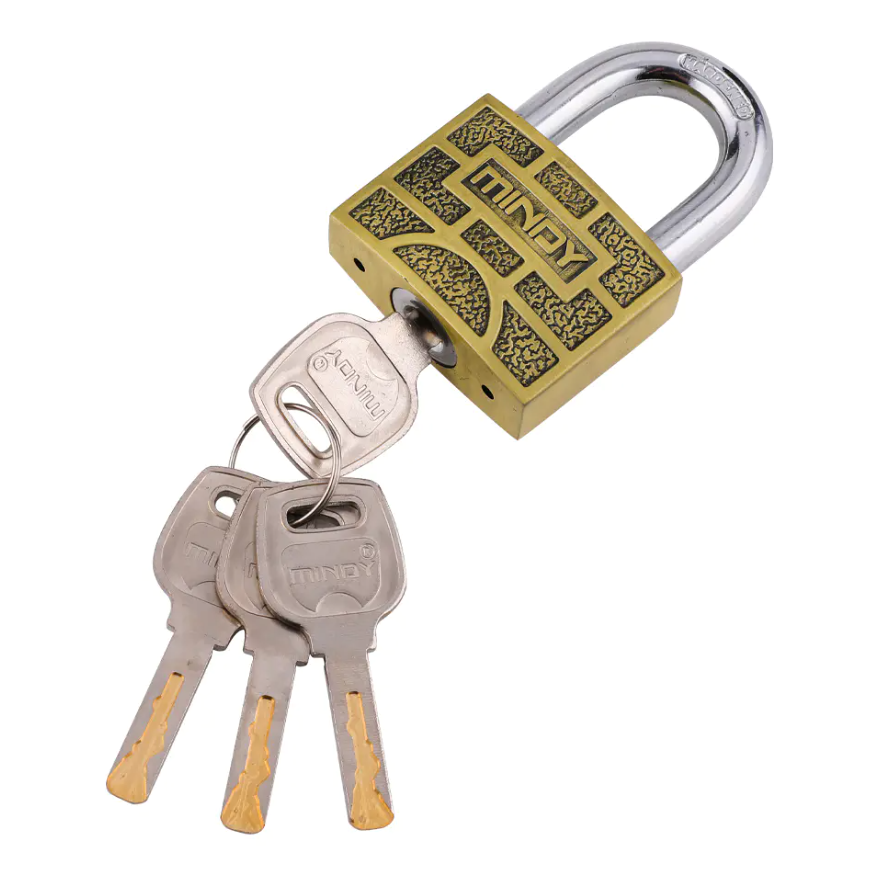
A reliable iron padlock often begins its life in a quality lock factory, where engineers and technicians focus on practical durability rather than decorative features. Locks remain one of the simplest and widely used tools for protecting gates, storage units, toolboxes, and utility equipment. Although digital security systems continue to develop, mechanical locks still hold a meaningful role because they operate without electricity, network signals, or complicated programming.
Iron padlocks are commonly selected for environments where strength and weather resistance are necessary. Iron has long been valued for its structural stability, which helps the lock body withstand repeated use, vibration, and occasional impact. Workshops, warehouses, construction sites, and small farms frequently rely on iron padlocks because they provide straightforward protection while remaining easy to operate.
Manufacturing plays a significant role in how dependable a lock becomes over time. Inside a quality lock factory, the process usually begins with careful selection of raw materials. Iron components are shaped through casting or forging, depending on the design requirements. Forged bodies tend to offer dense structural consistency, which helps the padlock resist deformation when pressure is applied.
Machining is the next important step. Precision equipment forms the keyway, internal chambers, and shackle openings. Small dimensional differences can influence how smoothly the key rotates or how firmly the locking mechanism engages. Factories that maintain consistent machining standards often produce locks with reliable operation and reduced wear over extended use.
Surface treatment also affects the lifespan of an iron padlock. Protective coatings such as powder coating, electroplating, or anti-rust oil layers help reduce exposure to moisture. Outdoor storage areas, coastal locations, and humid regions benefit from these protective layers because untreated iron may gradually develop corrosion.
Design considerations continue inside the lock body. Many iron padlocks use pin tumbler systems, wafer mechanisms, or disc combinations depending on their intended application. The pin tumbler design remains common because it balances simplicity with dependable locking action. Each pin aligns with a specific key cut, creating a mechanical barrier that prevents rotation until the correct key enters.
Another practical feature involves the shackle material and structure. Hardened steel shackles are often paired with iron lock bodies, creating a combination that resists cutting attempts more effectively than standard steel rods. Some padlocks include protective shoulders around the shackle area, limiting access for bolt cutters or prying tools.
Everyday environments demonstrate how versatile iron padlocks can be. Outdoor sheds storing gardening tools often rely on simple mechanical locks because they work even after long periods without maintenance. Construction workers may secure ladders or electrical equipment using padlocks that can be opened quickly when needed.
Transportation industries also make use of mechanical locking devices. Delivery vehicles sometimes use padlocks for rear cargo doors, particularly when temporary security is needed during loading and unloading stops. Rail freight containers, roadside cabinets, and utility enclosures often use padlocks due to their straightforward installation.
Maintenance requirements remain minimal compared with electronic locking systems. A small amount of lubrication inside the keyway helps maintain smooth movement. Dirt or dust can be removed using compressed air or a gentle cleaning brush. Many maintenance teams appreciate this simplicity because mechanical locks can remain functional for years with occasional care.
Weather exposure creates additional considerations. Rainwater, temperature fluctuations, and airborne dust may gradually affect metal surfaces. Protective coatings and sealed internal structures help limit these effects. Some designs include drainage channels to allow moisture to escape rather than collecting inside the lock chamber.

 English
 Arabic
 French
 Spanish
 Portuguese
 Deutsch
 Turkish
 Dutch
Dutch
 Italiano
 Russian
 Romaian
 Portuguese (Brazil)
 Indonesia