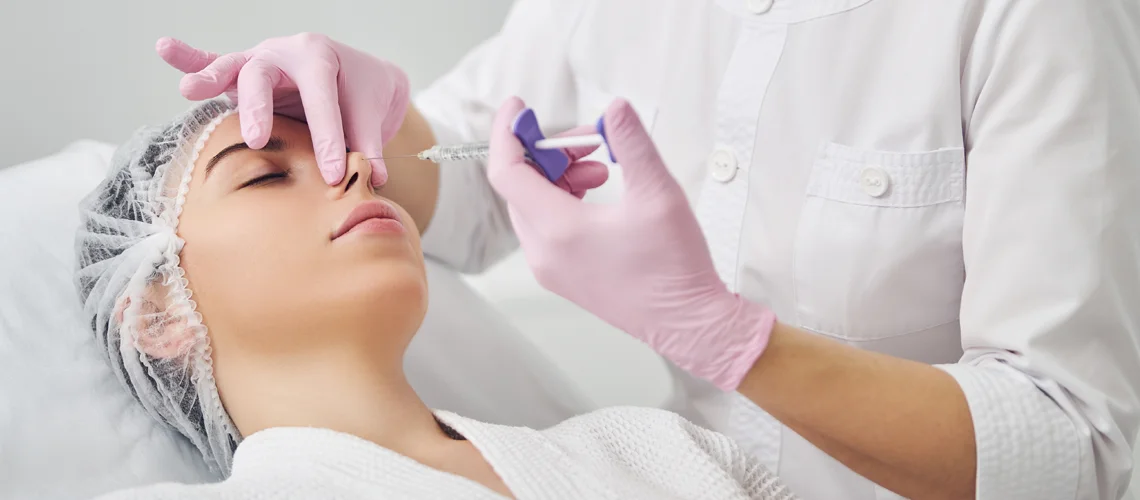
A liquid nose job is an innovative non-surgical procedure that can help correct minor nose imperfections quickly and effectively. By using dermal fillers, practitioners can address small bumps, asymmetry, or subtle depressions in the nose without the need for invasive surgery. This approach allows patients to achieve a more balanced and harmonious profile while avoiding downtime and the risks associated with traditional rhinoplasty. Understanding how the procedure works and what to expect is key for anyone considering this treatment.
What a Liquid Nose Job Can Correct:
Liquid rhinoplasty is ideal for addressing minor nasal imperfections. Some common issues that can be treated include:
-
Small dorsal bumps or depressions on the nasal bridge
-
Slight asymmetry between the left and right side of the nose
-
A low or drooping nasal tip that requires subtle lift
-
Minor contour irregularities that disrupt facial balance
By focusing on these small enhancements, patients can achieve noticeable improvements without dramatic changes.
Benefits of Using Fillers for Nose Correction:
Opting for a liquid nose job provides several advantages over surgical alternatives:
-
Immediate results with minimal discomfort
-
Non-invasive procedure with little to no downtime
-
Reversible effects if adjustments are necessary
-
Gradual and precise reshaping for natural-looking outcomes
These benefits make fillers an attractive option for patients seeking subtle corrections.
Ideal Candidates for a Liquid Nose Job:
Not every patient is suitable for filler-based nose correction. Ideal candidates are typically:
-
Individuals with minor imperfections rather than significant structural issues
-
Patients seeking temporary, reversible changes
-
People in good overall health without contraindications for dermal fillers
-
Those looking for a low-risk option to enhance facial symmetry
A consultation with a qualified practitioner helps determine candidacy and set realistic expectations.
The Consultation Process:
Before treatment, a thorough consultation is essential. During this process, practitioners will:
-
Assess the nose and surrounding facial features
-
Discuss the patient’s goals and desired outcomes
-
Review medical history and any possible contraindications
-
Explain the procedure, expected results, and aftercare instructions
This ensures the treatment plan is customized for the individual’s anatomy and aesthetic preferences.
The Procedure Explained:
A liquid nose job is a precise and relatively quick procedure. Key steps include:
-
Cleansing and numbing the treatment area for comfort
-
Carefully injecting dermal fillers into targeted areas to correct imperfections
-
Gradual adjustments to ensure symmetry and balance
-
Immediate visual results with minimal swelling or bruising
The procedure typically lasts between 30-60 minutes, depending on the complexity of the corrections.
Aftercare Recommendations:
Proper aftercare helps maintain results and prevent complications. Patients should:
-
Avoid touching or pressing the nose for 24-48 hours
-
Refrain from strenuous activities that may impact the treated area
-
Protect the nose from trauma or pressure, including from glasses
-
Attend follow-up appointments for assessment and potential touch-ups
Following these steps ensures filler integration and a smooth, natural finish.
Managing Expectations:
Realistic expectations are critical for satisfaction. Patients should:
-
Understand that results are subtle, focusing on minor corrections
-
Recognize that swelling or bruising may occur temporarily
-
Be aware that the effects are temporary, typically lasting 6-18 months
-
Plan for periodic touch-ups to maintain results over time
Setting realistic goals ensures the improvements appear natural and harmonious.
Combining With Other Treatments:
Some patients may enhance results by combining a liquid nose job with other non-surgical treatments. Options include:
-
Dermal fillers in the cheeks or chin to improve overall facial proportions
-
Botox to address dynamic facial lines that affect symmetry
-
Skin treatments such as chemical peels or microneedling for texture improvements
When combined strategically, these procedures can create a balanced and aesthetically pleasing appearance.
Choosing the Right Practitioner:
A successful outcome depends on the expertise of the provider. Key factors include:
-
Board certification in dermatology, plastic surgery, or aesthetic medicine
-
Demonstrated experience with non-surgical rhinoplasty
-
Clear communication and a patient-centered approach
-
Before-and-after photos of previous patients showing natural results
Selecting a skilled practitioner ensures the procedure is safe, precise, and tailored to the patient’s unique facial structure.
Cost Considerations:
Understanding the financial aspect helps patients plan effectively. Points to consider include:
-
The price varies depending on filler type, number of syringes, and practitioner expertise
-
Touch-ups may be required to maintain long-term results
-
Value and experience should take priority over the lowest cost
-
Budgeting for any complementary treatments can maximize aesthetic outcomes
Being informed about cost ensures patients receive high-quality care without unexpected expenses.
Final Thoughts:
A liquid nose job is an effective, non-invasive solution for correcting minor nose imperfections. By carefully selecting a qualified practitioner, understanding the procedure, and following proper aftercare guidelines, patients can achieve subtle, natural-looking improvements that enhance facial harmony. When managed correctly, this procedure offers an accessible, low-risk alternative to surgical rhinoplasty, allowing patients to enjoy immediate results and the flexibility to make adjustments over time.

 English
 Arabic
 French
 Spanish
 Portuguese
 Deutsch
 Turkish
 Dutch
Dutch
 Italiano
 Russian
 Romaian
 Portuguese (Brazil)
 Greek
Greek