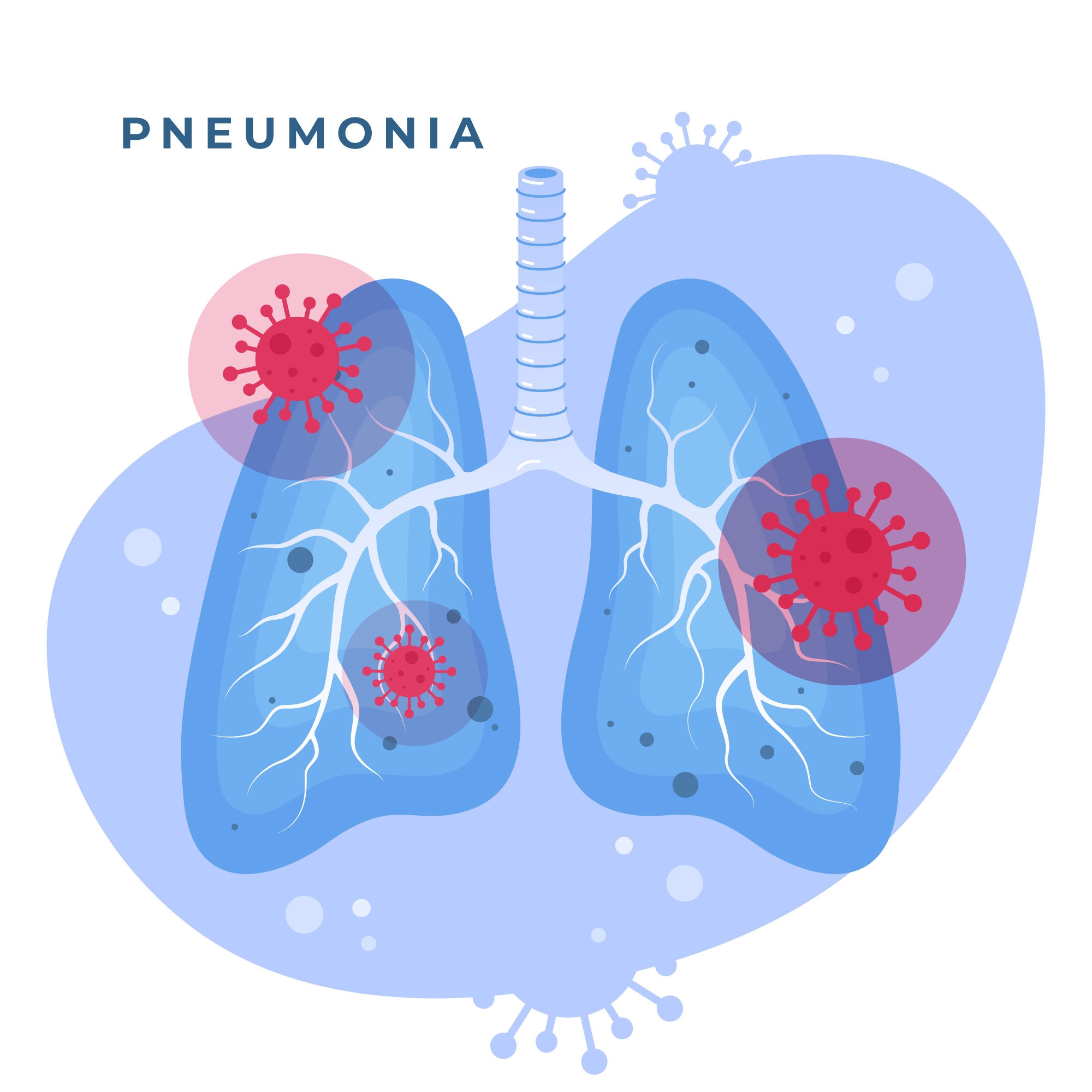
Caring for someone with pneumonia requires a structured approach that combines medical management, supportive care, monitoring, and infection control. Pneumonia is an inflammatory condition of the lung parenchyma, typically caused by bacterial, viral, or fungal pathogens. It can range from mild to life-threatening, particularly in older adults, young children, and individuals with compromised immune systems or chronic diseases. Proper caregiving significantly influences recovery outcomes and helps prevent complications such as respiratory failure, sepsis, or pleural effusion.
1. Understanding the Condition
Pneumonia occurs when the alveoli fill with fluid or pus, impairing oxygen exchange. Common symptoms include:
-
Persistent cough (with or without sputum)
-
Fever and chills
-
Shortness of breath (dyspnea)
-
Chest pain, especially with deep breathing (pleuritic pain)
-
Fatigue and weakness
-
Confusion (particularly in elderly patients)
Diagnosis typically involves clinical evaluation, chest X-ray imaging, blood tests, and sometimes sputum culture to identify the causative organism.
Understanding whether the pneumonia is community-acquired, hospital-acquired, or aspiration-related is critical because it determines antibiotic selection and treatment strategy.
2. Ensuring Appropriate Medical Treatment
Antibiotic Therapy
For bacterial pneumonia, antibiotics are the cornerstone of treatment. Common first-line antibiotics may include macrolides, fluoroquinolones, or third-generation cephalosporins such as ceftriaxone. In moderate to severe cases requiring hospitalization, intravenous (IV) antibiotics are frequently administered.
Ceftriaxone is widely used because of its broad-spectrum coverage and convenient once-daily dosing. Healthcare facilities often coordinate with a reliable ceftriaxone injection supplier to ensure consistent availability, proper storage conditions, and regulatory compliance. For caregivers managing a patient receiving home-based IV therapy, verifying medication source and storage standards is essential to ensure efficacy and safety.
Always ensure:
-
The full prescribed course of antibiotics is completed.
-
Doses are given at correct intervals.
-
Any adverse reactions (rash, diarrhea, allergic symptoms) are promptly reported.
Antiviral or Antifungal Treatment
If pneumonia is viral (e.g., influenza-related), antiviral medications may be prescribed. Fungal pneumonia requires antifungal agents. Antibiotics are ineffective against viral pathogens and should not be used unnecessarily.
3. Monitoring Vital Signs and Symptoms
Close monitoring helps detect early signs of deterioration.
Key parameters to track:
-
Body temperature
-
Respiratory rate (normal adult: 12–20 breaths per minute)
-
Oxygen saturation (SpO₂), ideally above 94% unless otherwise directed
-
Heart rate
-
Level of alertness
Seek immediate medical attention if the patient develops:
-
Rapid or labored breathing
-
Bluish lips or fingertips (cyanosis)
-
Persistent high fever
-
Severe chest pain
-
Confusion or sudden behavioral changes
-
Oxygen saturation consistently below prescribed threshold
For high-risk individuals, pulse oximeters can be valuable tools in home care settings.
4. Supporting Respiratory Function
Maintaining adequate oxygenation is central to pneumonia care.
Positioning
Encourage the patient to:
-
Sit upright or maintain a semi-Fowler’s position (30-45° elevation).
-
Avoid lying flat for prolonged periods.
-
Change positions every 2 hours to prevent fluid accumulation.
This positioning optimizes lung expansion and improves ventilation-perfusion matching.
Deep Breathing and Coughing Exercises
Incentive spirometry and controlled coughing exercises help prevent atelectasis and mobilize secretions. Encourage:
-
Slow, deep inhalation through the nose.
-
Brief breath-hold (2–3 seconds).
-
Controlled exhalation.
-
Coughing after deep breathing cycles to clear mucus.
Hydration
Adequate fluid intake (unless contraindicated due to heart or kidney conditions) helps thin secretions, making them easier to expel.
5. Providing Adequate Rest and Nutrition
Rest
The body requires energy to fight infection. Encourage sufficient rest, but avoid complete immobility. Gentle activity, such as short walks around the room, may prevent deconditioning and promote circulation.
Nutrition
Malnutrition can delay recovery. Focus on:
-
High-protein foods (lean meats, eggs, legumes)
-
Nutrient-dense meals
-
Small, frequent meals if appetite is poor
-
Warm fluids such as soups or herbal teas
Monitor for swallowing difficulties, especially in elderly patients, to reduce aspiration risk.
6. Managing Fever and Pain
Fever and chest discomfort are common. Antipyretics and analgesics such as acetaminophen or ibuprofen (if not contraindicated) can:
-
Reduce fever
-
Improve comfort
-
Promote better rest
Avoid overuse and follow dosage guidelines strictly.
7. Infection Control and Hygiene
Preventing transmission is essential, particularly in bacterial or viral pneumonia.
Implement the following:
-
Frequent hand hygiene with soap or alcohol-based sanitizers.
-
Use of disposable tissues for coughing or sneezing.
-
Proper disposal of contaminated materials.
-
Mask use if advised by healthcare professionals.
-
Regular cleaning of high-touch surfaces.
Caregivers should also ensure that shared items (utensils, towels) are not reused without proper cleaning.
8. Special Considerations for High-Risk Populations
Elderly Patients
Older adults may present atypically, sometimes without fever. Watch for:
-
Increased confusion
-
Sudden weakness
-
Reduced appetite
They are more prone to complications and may require closer monitoring.
Children
In children, symptoms may include:
-
Rapid breathing
-
Nasal flaring
-
Chest retractions
-
Poor feeding
Pediatric cases require prompt medical evaluation.
Immunocompromised Individuals
Patients undergoing chemotherapy, transplant recipients, or those with HIV are at higher risk for opportunistic infections and severe disease progression. Follow medical guidance strictly and maintain rigorous infection control.
9. Recognizing Complications
Even with proper treatment, pneumonia can lead to:
-
Pleural effusion
-
Lung abscess
-
Sepsis
-
Acute respiratory distress syndrome (ARDS)
Warning signs include worsening breathlessness, persistent high fever despite antibiotics, or new chest pain. Early intervention significantly improves outcomes.
10. Encouraging Vaccination and Prevention
Preventive strategies reduce recurrence risk.
Key vaccines include:
-
Pneumococcal vaccine
-
Influenza vaccine
-
COVID-19 vaccine (if applicable)
Smoking cessation is critical, as smoking damages ciliary function and impairs pulmonary defense mechanisms.
Maintaining general health through exercise, balanced diet, and chronic disease management (e.g., diabetes, COPD) also lowers pneumonia risk.
11. Emotional and Psychological Support
Pneumonia can cause anxiety due to breathing difficulty. Provide reassurance and maintain a calm environment. Encourage open communication about discomfort or fears. For prolonged illness, mental health support may be beneficial.
Conclusion
Caring for someone with pneumonia requires a comprehensive and disciplined approach that integrates medical treatment, respiratory support, symptom management, nutrition, hygiene, and vigilant monitoring. Antibiotic therapy, including agents such as ceftriaxone obtained through a reliable ceftriaxone injection supplier, plays a critical role in bacterial cases. However, supportive care measures are equally essential to ensure complete recovery and prevent complications.
Early detection, adherence to prescribed therapy, and proactive symptom monitoring significantly improve prognosis. By combining clinical oversight with attentive caregiving, most individuals with pneumonia can achieve full recovery within weeks, depending on severity and underlying health status.

 English
 Arabic
 French
 Spanish
 Portuguese
 Deutsch
 Turkish
 Dutch
Dutch
 Italiano
 Russian
 Romaian
 Greek
Greek
 Indonesia