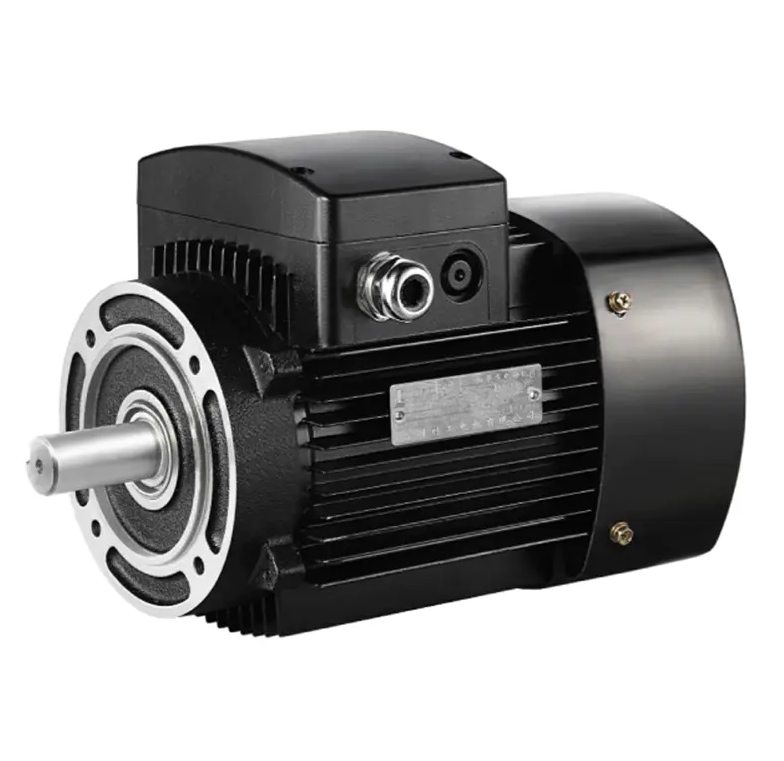
In recent market outlooks and industry surveys, trends show a growing interest in energy-saving solutions, which aligns with user discussions about high-efficiency motors across professional networks. Many engineers are evaluating how efficiency standards and regulatory requirements influence purchasing decisions and long-term operations. This interest partly stems from energy cost pressures and environmental goals that push organizations to consider more efficient designs even when upfront costs are closely scrutinized.
Another significant trend is the continued reliance on industrial asynchronous motors in conventional powertrain systems due to their simple and rugged design profile. These motors dominate in many sectors because they offer an inherently reliable foundation for applications that demand continuous operation with moderate starting torque and low complexity. Market data reflects that a substantial portion of industrial installations globally continue to use asynchronous induction technology as the backbone of mechanical drives.
At the same time, product discussions on social platforms and forums often touch on emerging adaptations like variable speed control and sensor integration, which help asynchronous induction systems operate more flexibly and efficiently. While traditional asynchronous motors deliver consistent performance, many users are experimenting with retrofits or drive upgrades to manage energy use and responsiveness in dynamic loads.
User conversations also suggest that the ecosystem around motor deployment—such as predictive maintenance tools, vibration monitoring, and IoT-based feedback systems—is becoming more integrated with operational workflows. These supplementary technologies help organizations not only meet efficiency targets but also improve overall asset management and reliability.

 English
 Arabic
 French
 Spanish
 Portuguese
 Deutsch
 Turkish
 Dutch
Dutch
 Italiano
 Russian
 Romaian
 Portuguese (Brazil)
 Indonesia