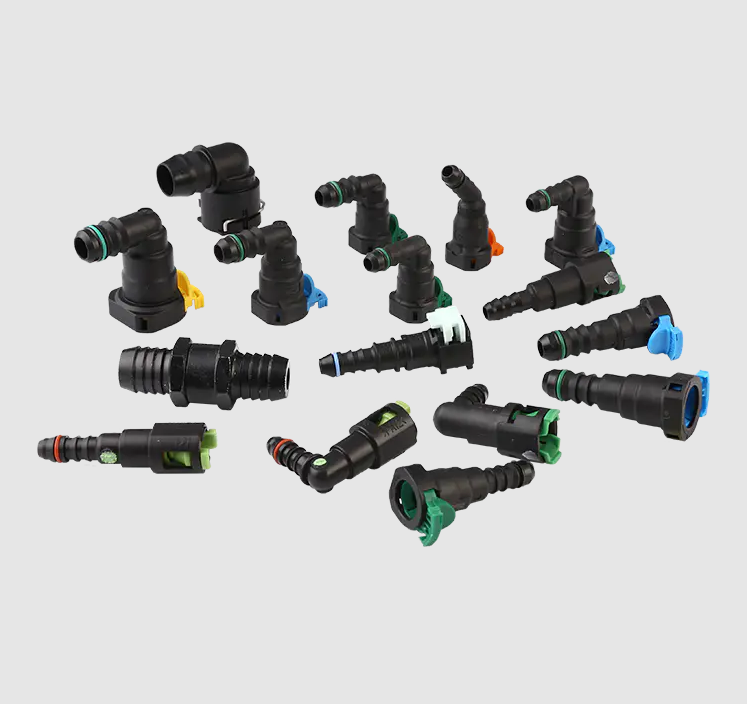
For many classic vehicle enthusiasts, maintaining or upgrading the fuel system can be a tricky decision that forces a balance between aesthetic authenticity and functional reliability. One frequent topic discussed in forums and communities is how to handle components like classic car fuel pipe fittings and, increasingly, whether modern alternatives like auto fuel line fittings offer real benefits.
Old vehicles were originally designed and equipped with materials suited for the gasoline blends of their era—without ethanol and with lower operating pressures. Because of this, many original fittings and hardlines may degrade faster when faced with today’s fuel chemistry and driving conditions. Users often report discovering brittle rubber hoses, rusted steel lines, or loose connectors that demand attention during a restoration or routine maintenance session.
A common thread in discussions among classic car hobbyists is whether to retain period correct materials or adopt newer standards. Some owners want to keep that authentic look for shows or concours events, but others choose upgraded piping and connectors that better handle modern fuels and heat exposure, especially under regular driving conditions. Stainless steel pipes with compatible connection hardware, for example, can resist corrosion from ethanol blends better than older copper or simple steel lines.
Another point that often comes up in online groups is matching fittings and adapters correctly when retrofitting modern components. Users report confusion over thread types and flare sizes, especially when mixing vintage fuel pump outlets with replacement hardlines or hoses. In some community threads, people share experiences with finding or fabricating adapters so that modern quick connect systems can work without forcing mismatched parts together.
Safety is also part of the conversation. Classic fuel systems typically operate at lower pressure compared to today’s systems, and original clamps or soft hoses might not provide secure sealing under any additional stresses. Regular inspection of connections is a practice many seasoned restorers recommend to detect small leaks that may lead to performance issues or even fire hazards.
Ultimately, whether you lean toward preserving originality or embracing updated solutions, the goal is the same: ensure that the fuel delivery system on your vintage vehicle remains safe, dependable, and suitable for the way you drive it. Making informed choices about both lines and connectors can help keep your classic machine running well for years to come.

 English
 Arabic
 French
 Spanish
 Portuguese
 Deutsch
 Turkish
 Dutch
Dutch
 Italiano
 Russian
 Portuguese (Brazil)
 Greek
Greek
 Indonesia