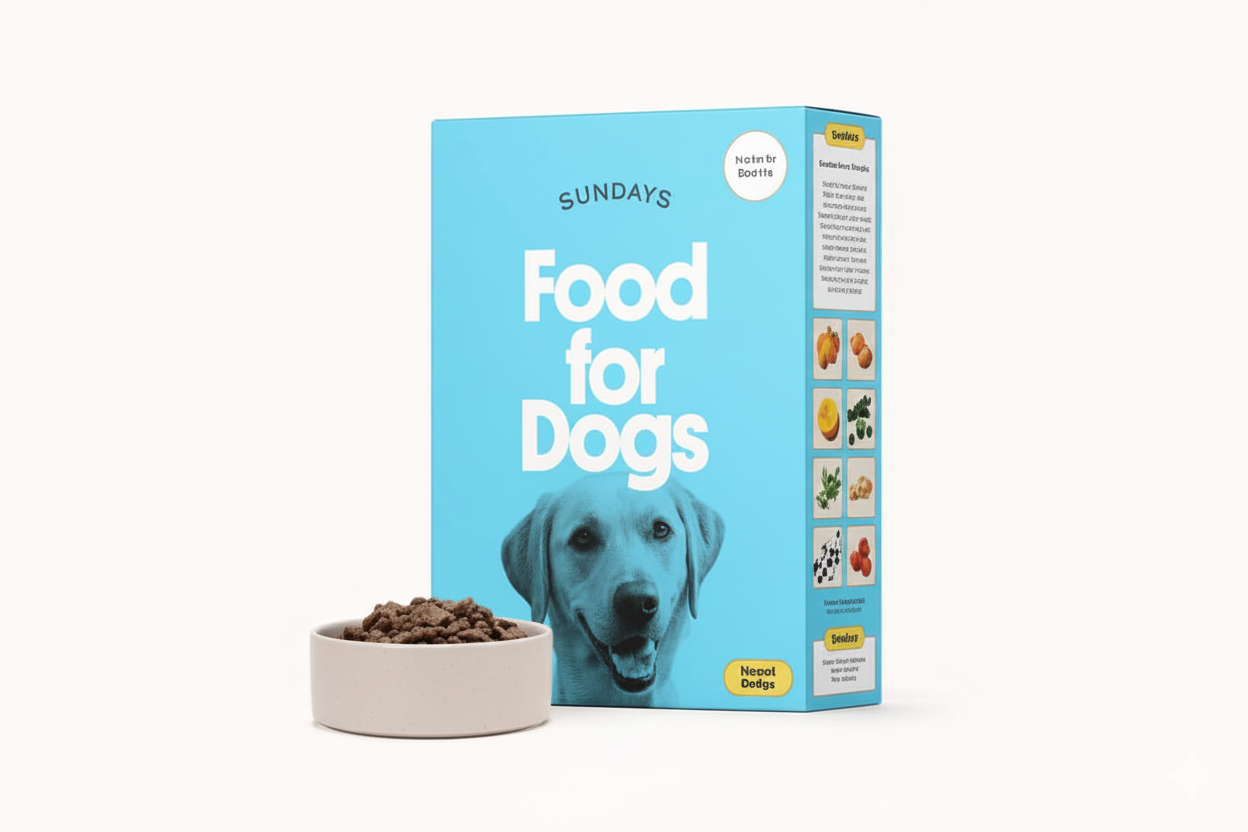
Food allergies are becoming increasingly common among dogs, affecting their quality of life and causing discomfort for both pets and their owners. Understanding the signs of dogs food allergies and knowing which ingredients typically cause reactions can help you identify problems early and find suitable dietary solutions. Recognizing these issues is the first step toward ensuring your canine companion enjoys meals without adverse effects.
Most Common Dogs Food Allergens
Not all dogs food ingredients are created equal, and certain proteins and grains are more likely to trigger allergic reactions. The most common allergens in dogs food include beef, dairy products, chicken, wheat, eggs, corn, and soy. Interestingly, dogs typically develop allergies to proteins they've been exposed to repeatedly over time rather than new ingredients, which is why elimination diets often introduce novel protein sources.
Beef and dairy are the leading culprits in dogs food allergies, followed closely by chicken—ironically, one of the most common protein sources in commercial dog food. Grain allergies, particularly to wheat and corn, also affect many dogs, though true grain allergies are less common than many pet owners believe. Some dogs react to additives, preservatives, or artificial colors in their dogs food rather than the primary ingredients themselves.
Recognizing the Signs of Food Allergies
Identifying dogs food allergies requires careful observation of your pet's behavior and physical condition. The most common symptom is persistent itching, particularly around the face, ears, paws, and rear end. Dogs with food allergies often scratch excessively, lick their paws constantly, or rub their face against furniture or carpet seeking relief from discomfort.
Skin issues are telltale signs of dogs food allergies. Watch for red, inflamed skin, hot spots, rashes, or recurring ear infections. Some dogs develop hives or experience hair loss in affected areas. Gastrointestinal symptoms also indicate potential food sensitivities—chronic diarrhea, vomiting, excessive gas, or frequent bowel movements may suggest your dog isn't tolerating their current dogs food well.
Unlike environmental allergies that are seasonal, dogs food allergies persist year-round. If your dog shows consistent symptoms regardless of the season, food may be the culprit. Some dogs also experience behavioral changes, becoming irritable or lethargic due to constant discomfort from allergic reactions.
Diagnosing Dogs Food Allergies
The gold standard for identifying dogs food allergies is an elimination diet. This involves feeding your dog a limited-ingredient dogs food containing a single novel protein and carbohydrate source they've never eaten before—such as duck and sweet potato or venison and pumpkin. This diet must be fed exclusively for 8-12 weeks without any treats, table scraps, or flavored medications that could interfere with results.
If symptoms improve during the elimination period, you've likely identified a food allergy. Individual ingredients are then reintroduced one at a time every two weeks to pinpoint specific allergens. This process requires patience and strict adherence, but it's the most reliable method for identifying problematic ingredients in dogs food.
Consult your veterinarian before starting an elimination diet, as they can rule out other conditions with similar symptoms and guide you through the process properly.
Solutions and Management
Once you've identified your dog's food allergies, choose dogs food specifically formulated for sensitive stomachs or food sensitivities. Look for limited-ingredient formulas with novel proteins or hydrolyzed protein diets where proteins are broken down into molecules too small to trigger allergic responses.
At Pet Discount Mart, we stock a comprehensive selection of hypoallergenic and limited-ingredient dogs food options at petdiscountmart.com. From grain-free formulas to novel protein sources, we help you find the right food that keeps your dog comfortable, healthy, and happy. Managing food allergies successfully means your dog can enjoy mealtime without the misery of allergic reactions.

 English
 Arabic
 French
 Spanish
 Portuguese
 Turkish
 Dutch
Dutch
 Italiano
 Russian
 Romaian
 Portuguese (Brazil)
 Greek
Greek
 Indonesia