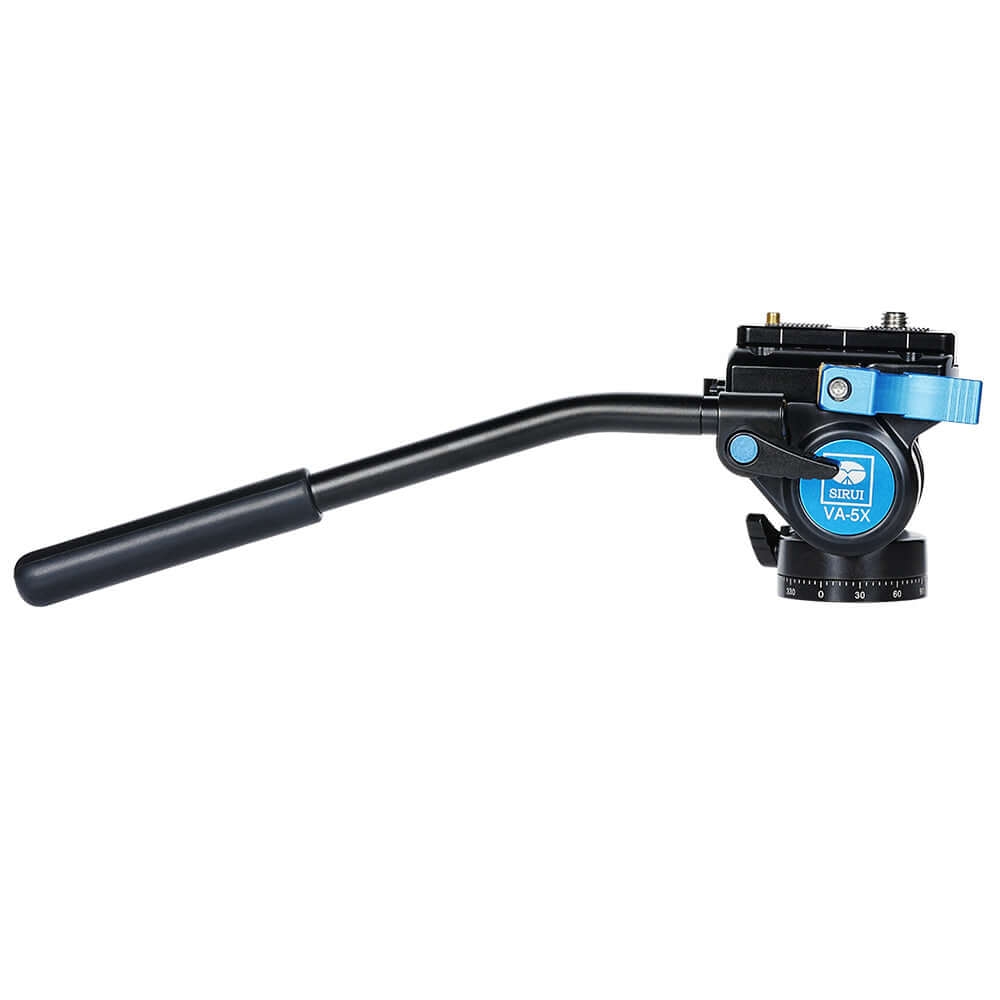
Achieving accurate composition often depends on how precisely a camera can be positioned. In situations where fine adjustments matter more than speed, a geared tripod head becomes an essential tool for photographers and videographers who demand control and consistency. Rather than relying on free-moving friction, this type of head emphasizes micro-level movement and repeatable positioning.
One of the defining advantages of a geared tripod head is its ability to isolate adjustments along individual axes. Vertical tilt, horizontal pan, and side-to-side leveling can be controlled independently, allowing creators to fine-tune framing without disturbing the overall setup. This makes it especially valuable for architectural photography, product shoots, and studio work where symmetry and alignment are critical.
From a workflow perspective, precision also saves time. While geared heads may appear slower at first glance, they reduce the need for constant repositioning. Once the camera is mounted, small corrections can be made smoothly and accurately, minimizing frustration during complex setups. For professionals working with high-resolution sensors, this level of accuracy helps maximize image sharpness and composition quality.
Stability is another important benefit. The internal gear mechanism locks the camera firmly in place once adjustments are made, reducing the risk of drift or sag over time. This stability is particularly useful during long exposures, focus stacking, or tethered shooting sessions where consistency across frames is required.
Ultimately, a geared tripod head is designed for creators who prioritize precision over speed. By offering controlled movement, dependable locking, and consistent framing, it supports a more deliberate and professional approach to image-making. For those working in detail-oriented photography or video environments, it remains a reliable and highly practical investment.

 English
 Arabic
 French
 Spanish
 Portuguese
 Deutsch
 Turkish
 Dutch
Dutch
 Italiano
 Romaian
 Portuguese (Brazil)
 Greek
Greek
 Indonesia