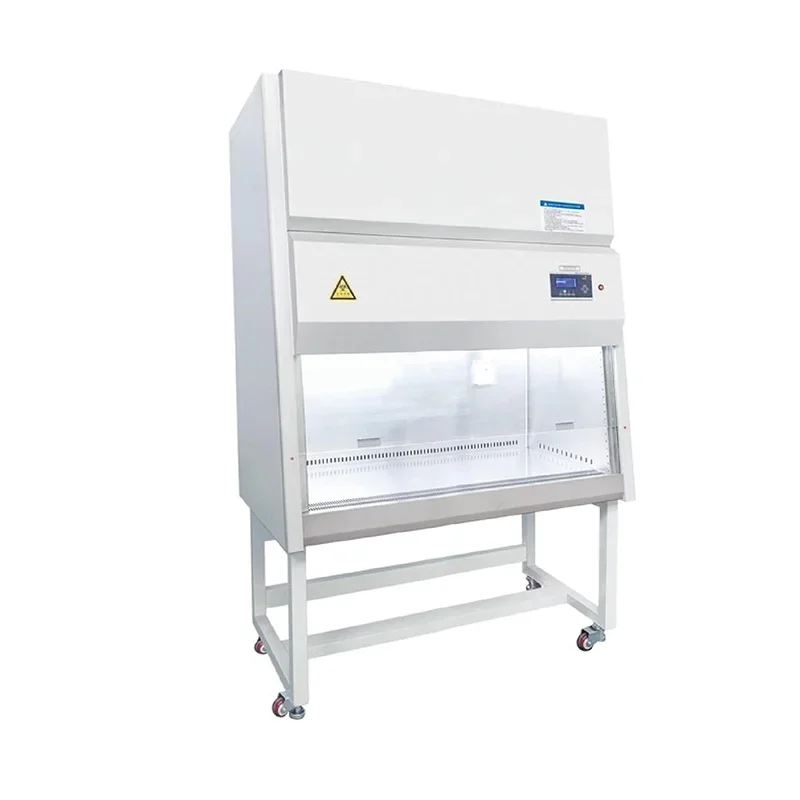
In laboratories where scientists handle microorganisms, cell cultures, or potentially hazardous biological samples, safety is always the top priority. One of the most critical devices for ensuring biosafety is the Biological Safety Cabinet (BSC). As a negative pressure air purification device, the Shanghai ZhenxinBiological Safety Cabinet provides a safe working environment by preventing the release of aerosols and dangerous particles during experimental operations. It is widely used in microbiology, biomedicine, genetic engineering, clinical testing, and biological product development, making it a fundamental tool in laboratory biosafety management.
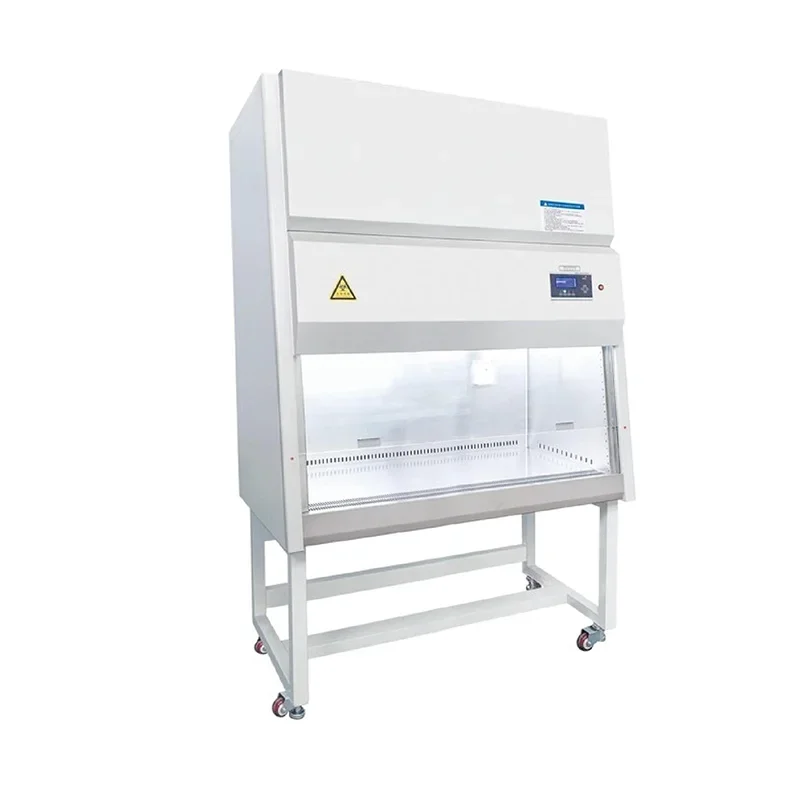
What is a Biological Safety Cabinet
A Biological Safety Cabinet is a box-type, enclosed workspace designed to protect both the laboratory personnel and the surrounding environment. It uses specialized airflow systems and HEPA (High-Efficiency Particulate Air) filters to prevent cross-contamination and stop aerosols generated during experimental procedures from escaping.
The cabinet operates under negative pressure, meaning air is continuously drawn inward, ensuring that any potentially harmful biological particles remain contained inside the cabinet. Through this system, the Biological Safety Cabinet provides the first level of protection within the laboratory biosafety barrier.
Why Are Biological Safety Cabinets Important
In biological and biomedical research, exposure to infectious agents or genetically modified organisms can cause serious risks. A Biological Safety Cabinet minimizes these risks in three important ways:
-
Personnel Protection – Prevents laboratory workers from inhaling or contacting harmful aerosols.
-
Sample Protection – Maintains a sterile environment, reducing contamination of experimental materials.
-
Environmental Protection – Stops harmful biological particles from escaping into the laboratory or external environment.
By performing these three protective functions, the BSC becomes an indispensable safeguard in modern scientific and clinical work.
Applications of Biological Safety Cabinets
The versatility of Biological Safety Cabinets makes them essential across multiple disciplines:
-
Microbiology: Safe handling of pathogenic microorganisms.
-
Biomedical Research: Protecting cell cultures and sensitive samples.
-
Genetic Engineering: Preventing contamination during DNA, RNA, and protein studies.
-
Clinical Testing: Safeguarding technicians working with infectious blood or tissue samples.
-
Pharmaceutical & Biological Product Manufacturing: Ensuring purity during vaccine and drug development.
In every one of these fields, the use of a Biological Safety Cabinet ensures compliance with biosafety regulations while maintaining reliable experimental results.
Types of Biological Safety Cabinets
Biological Safety Cabinets are classified into different types based on their airflow design and level of protection. The most common categories include:
Class I Biological Safety Cabinet
Provides personnel and environmental protection but does not protect the samples.
Suitable for low- to moderate-risk biological materials.
Class II Biological Safety Cabinet
Protects personnel, environment, and samples.
Most widely used in microbiology and medical laboratories.
Subtypes (A1, A2, B1, B2) differ in airflow exhaust systems.
Class III Biological Safety Cabinet
Also known as “glove boxes,” offering the highest level of containment.
Completely sealed with built-in gloves, used for high-risk pathogens (e.g., biosafety level 4 labs).
By choosing the appropriate class, laboratories can balance safety requirements with operational needs.
Key Features of a Biological Safety Cabinet
Modern Biological Safety Cabinets are equipped with advanced features to enhance safety and usability, including:
-
HEPA / ULPA Filters – Capture particles as small as 0.3 microns with 99.99% efficiency.
-
Airflow Monitoring – Ensures consistent negative pressure operation.
-
Ergonomic Design – Adjustable height and comfortable working position for operators.
-
UV Sterilization Lamps – Provide additional decontamination between experiments.
-
Digital Controls & Alarms – Alert users to unsafe conditions or filter replacement needs.
These features not only maximize safety but also improve workflow efficiency in demanding laboratory environments.
Conclusion
The Shanghai Zhenxin Biological Safety Cabinet is more than just a piece of equipment—it is the cornerstone of laboratory biosafety. By protecting personnel, samples, and the environment from dangerous aerosols and contaminants, it plays a vital role in ensuring the success and safety of modern biological research and clinical testing.
For laboratories working in microbiology, genetic engineering, biomedical research, or pharmaceutical production, investing in a high-quality Biological Safety Cabinet is not optional—it is essential.
https://www.zinscien.com/biological-safety-cabinet-essential-protection-for-laboratory-safety.html

 English
 Arabic
 French
 Spanish
 Portuguese
 Deutsch
 Turkish
 Dutch
Dutch
 Italiano
 Russian
 Portuguese (Brazil)
 Greek
Greek
 Indonesia