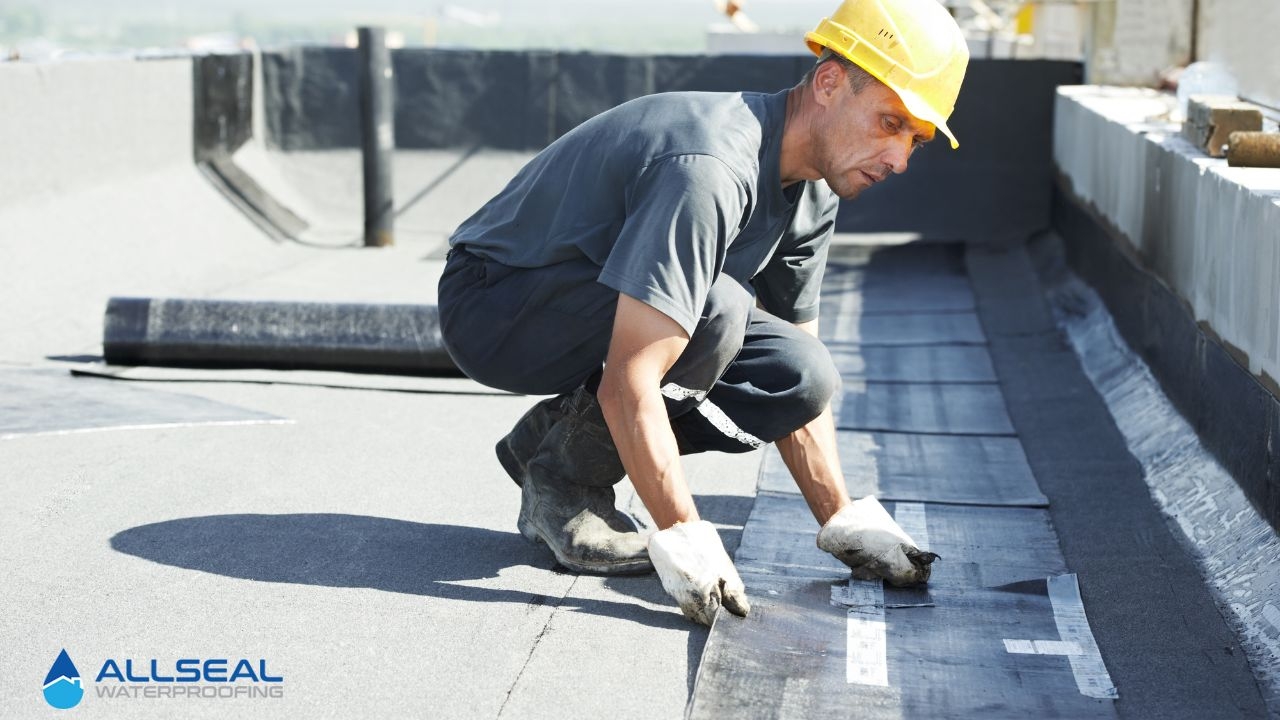
Metal roofs are renowned for their longevity and resilience, yet even these durable surfaces can suffer from leaks and corrosion if not properly maintained. Many homeowners and property managers attempt DIY waterproofing solutions to save time or reduce costs. While these efforts may appear effective initially, they often fail to provide lasting protection. Understanding why DIY approaches frequently fail—and how specialists address these pitfalls—is crucial for safeguarding the integrity of a metal roof.
The Hidden Challenges of Metal Roofs
Metal roofs are more complex than they appear. Their durability can mask underlying vulnerabilities that DIY solutions rarely address:
-
Fasteners and Seams: Metal panels are joined with screws and overlaps that are prone to loosening, corrosion, or thermal movement stress. Improper sealing at these points often leads to leaks.
-
Coating Degradation: Over time, protective coatings deteriorate due to UV exposure, rain, and pollution. Applying a fresh coat without proper surface preparation cannot fully restore waterproofing.
-
Thermal Expansion: Metal expands and contracts with temperature fluctuations. DIY patches often fail to accommodate this movement, resulting in cracks or delamination.
-
Surface Contamination: Dust, rust, and debris interfere with adhesion. Without thorough cleaning, sealants and coatings fail prematurely.
According to the National Roofing Contractors Association, nearly 35% of metal roof leaks stem from improperly sealed seams and fasteners—an area often overlooked in DIY fixes.
Common DIY Mistakes That Compromise Roof Integrity
Homeowners frequently make mistakes that undermine waterproofing efforts:
1. Ignoring Substrate Preparation
One of the biggest errors in DIY waterproofing is skipping cleaning and rust removal. Sealants or coatings applied over debris, rust, or old paint are unlikely to adhere properly. Specialists emphasize that proper preparation, including sanding, rust treatment, and primer application, is critical for long-lasting protection.
2. Using Inappropriate Materials
Not all sealants or coatings are suitable for metal roofs. Many DIY products are designed for temporary fixes and cannot withstand UV exposure, heavy rain, or thermal movement. A professional Metal Roof Waterproofing Service selects materials specifically engineered for metal substrates, ensuring durability and resistance to environmental stresses.
3. Overlooking Fasteners and Flashings
Leaks often occur at fasteners, screws, and roof penetrations. DIY approaches may ignore these critical points or apply insufficient sealant. Specialists inspect each fastener and flashing, replacing corroded components and sealing vulnerable joints to prevent water ingress.
4. Inconsistent Application
Even high-quality materials fail if applied unevenly. DIY attempts often leave gaps, thin layers, or missed sections, resulting in localized leaks. Professionals use systematic application methods, ensuring uniform coverage and complete waterproofing.
How Specialists Ensure Long-Term Protection
Specialists take a comprehensive approach that addresses the root causes of leaks rather than merely masking symptoms:
1. Detailed Roof Assessment
Before any restoration work, specialists inspect the entire roof, identifying rust, loose fasteners, seam weaknesses, and drainage issues. Tools like thermal imaging and moisture meters help detect hidden moisture that DIY inspections often miss.
2. Surface Preparation and Repairs
Specialists remove rust, clean the roof thoroughly, and treat any corroded areas. Fasteners are inspected and replaced if necessary, and flashings are sealed properly. This foundational step ensures that waterproofing materials bond correctly and perform as intended.
3. Application of Professional-Grade Waterproofing Systems
Using liquid-applied membranes, high-performance coatings, and seam sealants, specialists create a flexible, fully adhered layer over the roof. These systems accommodate thermal movement, resist UV damage, and provide long-term protection against water ingress.
4. Maintenance and Inspection Guidance
Specialists provide maintenance schedules and inspection tips to prolong roof life. Periodic checks prevent minor issues from escalating and ensure that the waterproofing system remains effective for years.
For additional guidance on professional metal roof restoration, the National Roofing Contractors Association offers detailed best practices and technical resources.
The Cost of DIY Failures
While DIY solutions may save money upfront, failures often lead to:
-
Recurrent leaks requiring repeated interventions
-
Structural damage due to prolonged water exposure
-
Corrosion and fastener deterioration that shorten roof lifespan
-
Higher long-term maintenance costs and insurance risks
Engaging a certified Metal Roof Waterproofing Service mitigates these risks, providing expert diagnostics, high-quality materials, and precise application techniques.
Conclusion
DIY waterproofing on metal roofs may appear cost-effective, but it frequently results in recurring problems and higher long-term expenses. Common mistakes—such as inadequate surface preparation, improper material use, and overlooked fasteners—are easily avoided by engaging professional specialists. A Metal Roof Waterproofing Service ensures thorough assessment, expert application, and ongoing maintenance guidance, extending the life of the roof and protecting both property and investment.
Allseal Waterproofing PTE Ltd offers specialized metal roof assessments and restoration solutions, combining advanced techniques with expert knowledge to provide durable and effective waterproofing for long-term protection.

 English
 Arabic
 French
 Spanish
 Portuguese
 Deutsch
 Turkish
 Dutch
Dutch
 Italiano
 Russian
 Romaian
 Portuguese (Brazil)
 Greek
Greek