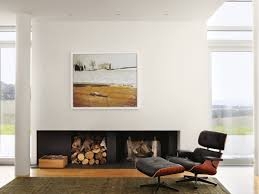
A single well chosen chair can change the way a whole room feels. When you explore the Art of Choosing a Lounge Chair, you discover that it is less about following trends and more about understanding comfort, proportion, and the quiet role a lounge chair plays in your daily life.
Seeing The Lounge Chair As A Small But Powerful Anchor
A lounge chair is often the most personal seat in the room. While sofas are shared, a lounge chair usually belongs to one person at a time, which makes it an ideal place to express both character and comfort. It can become the reading corner you drift to in the evening, the place where you drink your first coffee of the day, or the spot that naturally draws guests when they step into the room.
When you treat the chair as a small anchor rather than an afterthought, the rest of the space begins to organise itself around it. A side table, a lamp, and a nearby rug suddenly find their purpose, and a previously empty corner becomes part of the rhythm of the room.
Reading Your Space Before You Choose A Chair
Before you fall in love with a particular shape, take a clear look at the room it will live in. Notice the length of the walls, the width of the walkways, and the height of the ceilings. A compact apartment corner may need a lounge chair with a slimmer profile and raised legs, so the floor stays visible and the space feels light. A more generous living room might welcome a deeper, more enveloping design that invites you to sink in and stay.
Think about how the chair will relate to existing furniture. Will it face the sofa for conversation, angle gently towards a window, or sit beside a bookcase. When you know roughly where it belongs, it is easier to judge whether a chair’s proportions will support the flow of the room or interrupt it.
Understanding Comfort: Seat Depth, Back Angle, And Arms
Comfort is where the real art lies. Seat depth makes a noticeable difference to how you use the chair. If you like to curl up with a book or tuck your feet beneath you, a deeper seat with generous cushioning will feel natural. If you prefer to sit more upright for conversation or work, a slightly shallower seat that supports your knees and lower back may suit you better.
The angle of the back sets the mood. A more reclined back suggests a place to unwind slowly, especially when paired with a footstool. A more upright back feels ideal for reading or talking without slouching. Armrests complete the picture, offering somewhere for shoulders to relax and hands to rest. They can be slender and refined or broad and cocooning, but they should always feel supportive rather than in the way.
Exploring Shapes From Sculptural To Softly Tailored
The silhouette of a lounge chair speaks before you even sit down. Curved backs and rounded edges bring a sense of ease and are often perfect for cosy corners or bedrooms where you want the room to feel softer. Cleaner, more angular lines create a tailored, architectural feel that works well in contemporary living rooms or open plan spaces.
Consider how the chair will look from every angle, not only from the front. In many rooms, a lounge chair is visible from the side or even the back as you enter. A thoughtfully shaped back, an elegant leg detail, or a subtle curve along the profile can make the chair feel pleasing wherever you stand.
Fabrics, Textures, And The Look Of Everyday Use
Covering the lounge chair in the right fabric determines how it feels day to day. Textured weaves, chenille, and bouclé style finishes add depth and softness, making the chair instantly inviting. Smooth fabrics and velvet like finishes can introduce a quiet sense of luxury, catching the light and changing gently through the day.
Colour also needs to work with the rest of your room. A lounge chair in a calm neutral can blend seamlessly with your sofa and rug, adding comfort without drawing too much attention. A bolder shade or richer tone can act as a focal point, especially when the colour is echoed elsewhere in cushions, artwork, or a throw. The most successful choices feel confident without overpowering the room.
Placing Your Lounge Chair For Maximum Impact
Positioning can turn a good chair into your favourite place at home. Near a window, a lounge chair can become a daylight retreat where you read and watch the world outside. Beside a floor lamp or table lamp, it transforms into an evening corner for slow conversation or quiet scrolling.
Balance is important. The chair should feel connected to the rest of the room rather than isolated. Placing it at a gentle angle to the sofa often works well, allowing easy conversation while still giving the chair a sense of its own territory. A small side table within easy reach completes the arrangement and makes the seat practical throughout the day.
Matching Your Chair To The Mood Of The Room
The style of your lounge chair should support how you want the room to feel. In relaxed, layered interiors, a softly structured chair with rounded lines and tactile fabric will look naturally at home. In more minimal spaces, a cleaner silhouette with slender legs and smooth upholstery can keep the room feeling open and uncluttered.
Look at the materials already present in the room. Timber legs can echo flooring or storage pieces, while metal details can repeat the tone of lighting or handles. When at least one element of the chair relates to something you already own, the new piece feels integrated rather than separate.
The Orsina Perspective On Lounge Chairs That Transform Spaces
At Orsina, lounge chairs are designed with both comfort and composition in mind. Proportions are considered carefully so each piece feels generous without overwhelming the room, and back heights are chosen to support relaxation while keeping sightlines open. Fabrics are selected for their tactility and durability, allowing chairs to age gracefully alongside the rest of your furniture.
Each design is intended to sit naturally with Orsina sofas, tables, and lighting so you can build up your room gradually. A lounge chair can arrive first and define a corner, or be introduced later to complete a space that already feels almost right but still needs one more considered touch.
Frequently Asked Questions About Choosing A Lounge Chair
How do I know what size lounge chair will work in my room?
A good guide is to ensure that there is still comfortable space around the chair once it is in place. You should be able to walk past without squeezing and still open doors or drawers nearby. Marking out the footprint on the floor with tape or folded fabric can help you visualise the size before you commit.
Is it better to match the lounge chair to the sofa or choose a contrast?
Both approaches can work. Matching tones and fabrics creates a calm, seamless look, while a contrasting chair can add character and focus. The simplest way to decide is to repeat at least one element, such as colour, leg finish, or level of detail, so the pieces feel related even if they are not identical.
What seat height is most comfortable for a lounge chair?
The most comfortable seat height usually allows your feet to rest flat on the floor with your knees at a natural angle when you sit back fully. If a chair is too low, standing up can feel like a strain, while a seat that is too high may leave your legs dangling slightly. Trying to imagine your usual sitting posture can guide you toward the right dimensions.
Can a lounge chair work in a small living room or bedroom?
Yes, a well chosen lounge chair can be invaluable in smaller rooms. Opting for a design with slimmer arms, visible legs, and considered proportions will keep the space feeling open. Placing the chair diagonally in a corner or beside a window can make the room feel larger by drawing the eye outwards.
Should I choose a lounge chair with a footstool or without one?
A footstool increases comfort for longer periods of sitting and can help you fully unwind, but it does take additional floor space. If your room is generous or the chair will be used mainly for relaxing, a matching footstool can be worthwhile. In tighter spaces, you might prefer a chair without one to preserve freer movement.
What type of fabric is most practical for everyday use on a lounge chair?
Durable woven fabrics that feel pleasant to the touch are usually the most practical for daily life. They tend to resist wear and maintain their appearance over time. If the chair will be used frequently or shared with pets and children, mid toned fabrics often show fewer marks than very pale or very dark shades.
A Final Word On Finding Your Perfect Lounge Chair
Choosing a lounge chair is as much about understanding yourself as it is about reading the room. When you pay attention to how you sit, how you move through the space, and how you want the room to feel, the right chair almost introduces itself. It will be the one that looks inviting from every angle, supports you effortlessly when you sink into it, and quietly improves the balance of the space around it. Treat the process as a small design ritual rather than a quick purchase, and the chair you bring home will reward you with comfort and character for years to come.

 English
 Arabic
 French
 Spanish
 Portuguese
 Deutsch
 Turkish
 Dutch
Dutch
 Italiano
 Romaian
 Portuguese (Brazil)
 Greek
Greek
 Indonesia